Australia is a winning country, but it looks to me like Tony Abbott is a losing PM
If Australians awake tomorrow to see a bleary-eyed me talking to them down a line from late evening London, apologies. In addition to trying to stick to a long-planned media and events book launch schedule, I have had to factor in Burnley FC and, less expectedly, hospital visits to a relative taken ill. So, barely a week in, I am feeling a bit knackered.
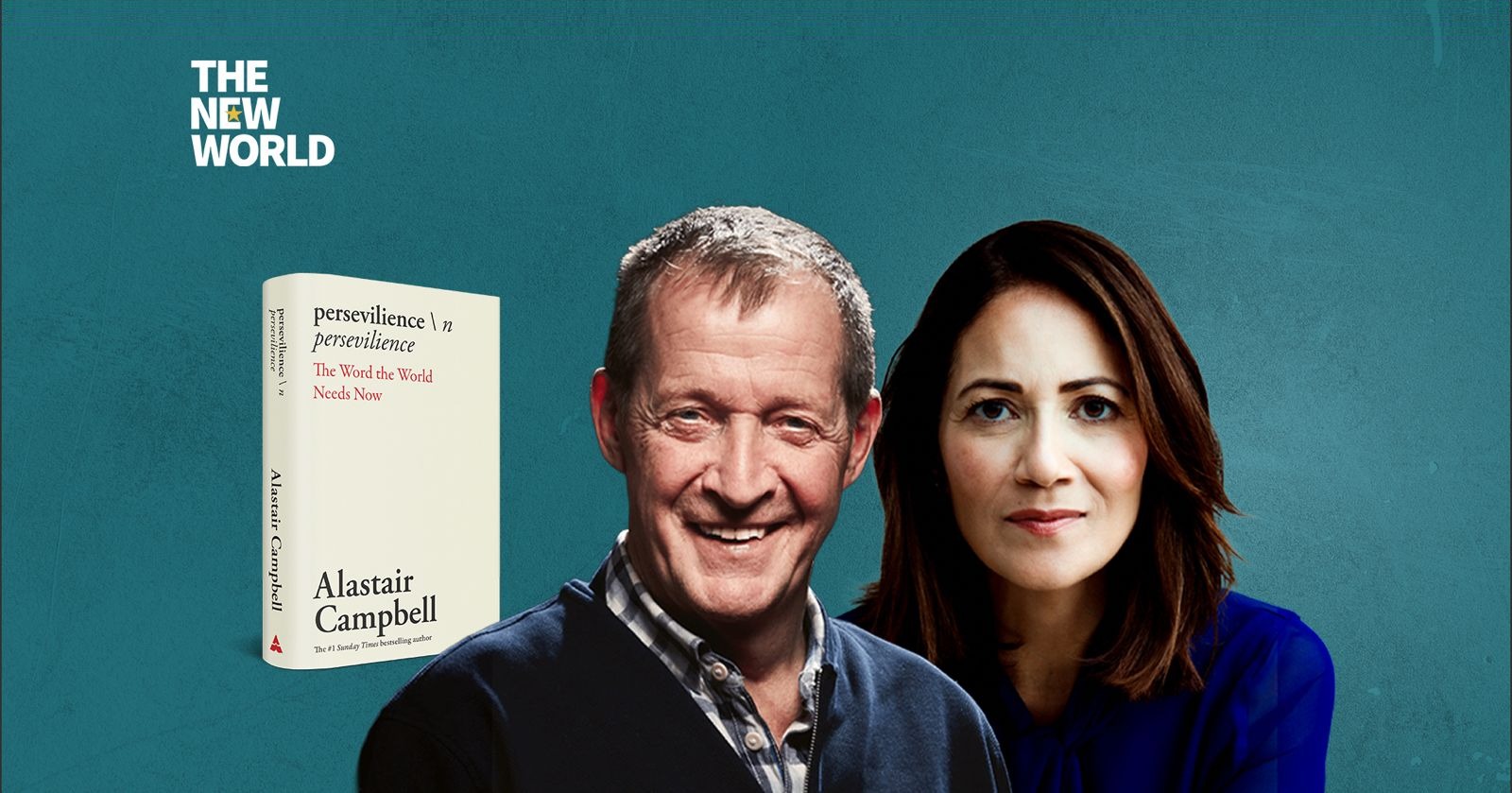
However, resilience is one of the key themes of the book, WINNERS and how they succeed, so I will be there, promoting the book to one of my favourite countries. Indeed, the importance of resilience is one of the reasons I wrote a chapter called 'the winning spirit of Australia,' which produces a disproportionate number of winners for its relatively small population, several of whom I have been lucky enough to interview.
Somehow though, I don't think we are going to be able to add the current PM to the list of famous Aussie winners, to join the likes of Whitlam, Hawke, Keating and Howard. Yes, he won an election. But political winners have to endure, and make real and lasting change, and I am not convinced Tony Abbott will do either. Unless something pretty drastic changes, he could well be out of a job within a few months.
One of the central themes of the book is that winners know the difference between strategy and tactics, whether in sport, business or politics. Tony Abbott is failing because he has failed to have a clear strategy and has been tripped up by tactics.
I write about the considerable differences that existed between Tony Blair and Gordon Brown, and suggest that if the New Labour team had hung together, we might still be there, not least because David Cameron is another who confuses tactics and strategy (maybe Aussie strategist Lynton Crosby, mastermind of the appalling Michael Howard 2005 election campaign in the UK, is the link here). Yet despite all the differences we won three successive elections because we had a shared purpose, a sense of direction: a strategy. In contrast Abbott seems from this distance to have come to power without a clear plan for government; without a clear strategy to unify his party and keep them marching on together towards shared, big goals. If you govern like this, plan-less and based on weekly opinion polls - especially in a political scene as poll-driven as Australia - the ability to lead will be judged on a weekly basis too, which at the moment seems to be calling for a change of government and a change of PM.
By coincidence, as I write in the book, I was in Australia for a speech, and met former PM Julia Gillard on the day she was finally challenged to a vote which led to her ousting by Kevin Rudd. So I have seen close up how brutal Aussie politics can be. It is hard to see how Abbott avoids similar brutality coming his way.
In so far as his problems have made UK headlines, they have come from the unusual G20 Summit greeting, when he told the world how well he was doing domestically, and especially from the truly bizarre decision to give a knighthood to the already honour-festooned the Duke of Edinburgh. In WINNERS there is a chapter on The Queen because despite being a Republican I do see her as a winner, not least because she has seen off Republicanism for another generation, and I honestly think she would have been surprised by Abbott’s decision. But of far greater significance than these tactical errors was his first budget. Budgets are an opportunity to set direction - Gordon Brown was brilliant at this when Chancellor - yet Abbott's was full of contradictions.
He was pretty effective in opposition when the pursuit of power often requires rapid rebuttal and good traditional comms built around clear key messages. When in power there are clear phases: a honeymoon period where you have the goodwill of victory putting wind in the sails of change; a corrective phase, where the task is already set but you are adapting to power; and the reform phase when you are trying to set out and implement the overall plan. All of Australia’s great leaders excelled at the last of these which is why it has always punched above its weight on the world stage; at the moment, politically, it still throws punches, but none of them seem to land.
One of the reasons I have written this book, looking at winners in sport, business and politics, is that I believe all can learn from each other. Politicians and business pay lip service to sport - they like to be associated with it through sponsorship or by association. But when looking at all the key areas winners have to master - strategy, teamship, leadership, data and innovation, boldness, resilience, the ability to manage crisis, mindset and psychology - they can actually learn a lot from the best of sport.
Launching the book in the UK last week I found myself constantly drawing on insights of some of the Aussies we spoke to for the book
- Surfer Layne Beachley - one of the most remarkable people in the book. I have been telling everyone about her, and she shares a chapter on resilience with none other than Nelson Mandela.
- Aussie Rules 'player of the century' Leigh Matthews - I could have talked to him for days. So many insights and so many stories, especially with regard to what he learned as a player that he took into management.
- Rugby League star Johnathan Thurston - I loved the way he spoke of how he tried to bring on younger talent.
- Nova Peris, the first Aboriginal Olympic gold medallist, and Federal MP - 'Whatever card you are dealt in life you just have to deal with it.'
- Ric Charlesworth, who can speak from experience about performance and coaching, politics and sport, such a wealth of experience across so many sectors and a fantastic insight into teamship.
- Cricketer Shane Warne, who told me this: - 'We have a lot of high achievers, and I think you can go right back to where we came from, how we started out as a country, all the slaves and the convicts, and the idea we were somebody else’s rejects. There are three things that are really Australian to me: we have the “never give up” attitude; we like being in the thick of it; and we’re not afraid to fail. Not being afraid to fail is a huge part of this. “Come on, mate, I’ll have a go,” and maybe it works and maybe it doesn’t, but you’ll never know until you try. Some countries don’t try things the same way we do because it’s hammered into them that they cannot fail. That’s a hopeless way to go about things to my mind. “Never give up” are the three most important words in the language.’
That to me is the Aussie mindset, and so many of my interviewees agreed it was the country's history, and in particular the relationship with England, that was responsible for it. It will be interesting to see how Tony Abbott fares in trying to apply it over the next few weeks and months. 'Never give up' is great in theory. Sometimes other factors and other people can overwhelm it.











Loved my time in Oz a good few years ago. Wish I could visit it more, but it is bluddy the other side of the World, not exactly down the road.
And I have noticed in recent weeks Ali, the stop-start Tory HQ political machine is all over the place for coming May 7. It is as if they just do not have any imagination, which is stating the bleeding obvious, I know.
OH YES, as an aside, touched up my vid, and re-posted it yesterday, as one does,
https://www.youtube.com/watch?v=61xF6FKBJU8
Enjoyed the interview on the ABC and looking forward to the book Alastair. Fascinating watching Abbott fight like a scrapyard dog to keep his job, those bloody Jesuits have a knack of breeding them tough.