
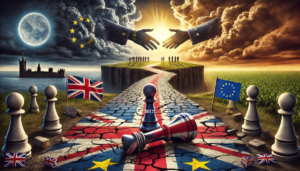
Europe needs to get real on defence; Britain needs to get real on Europe
13 February 2025


Post
13 February 2013

4 minute(s) read
Recent Posts
Alastair Campbell’s diary: My truly deranged encounter with Trump apologist Kellyanne Conway
The godmother of ‘alternative facts’ assured me the president loved Zelensky – just as he was stabbing him in the back with Putin... Continue
14 October 2026
Posted by Alastair Campbell
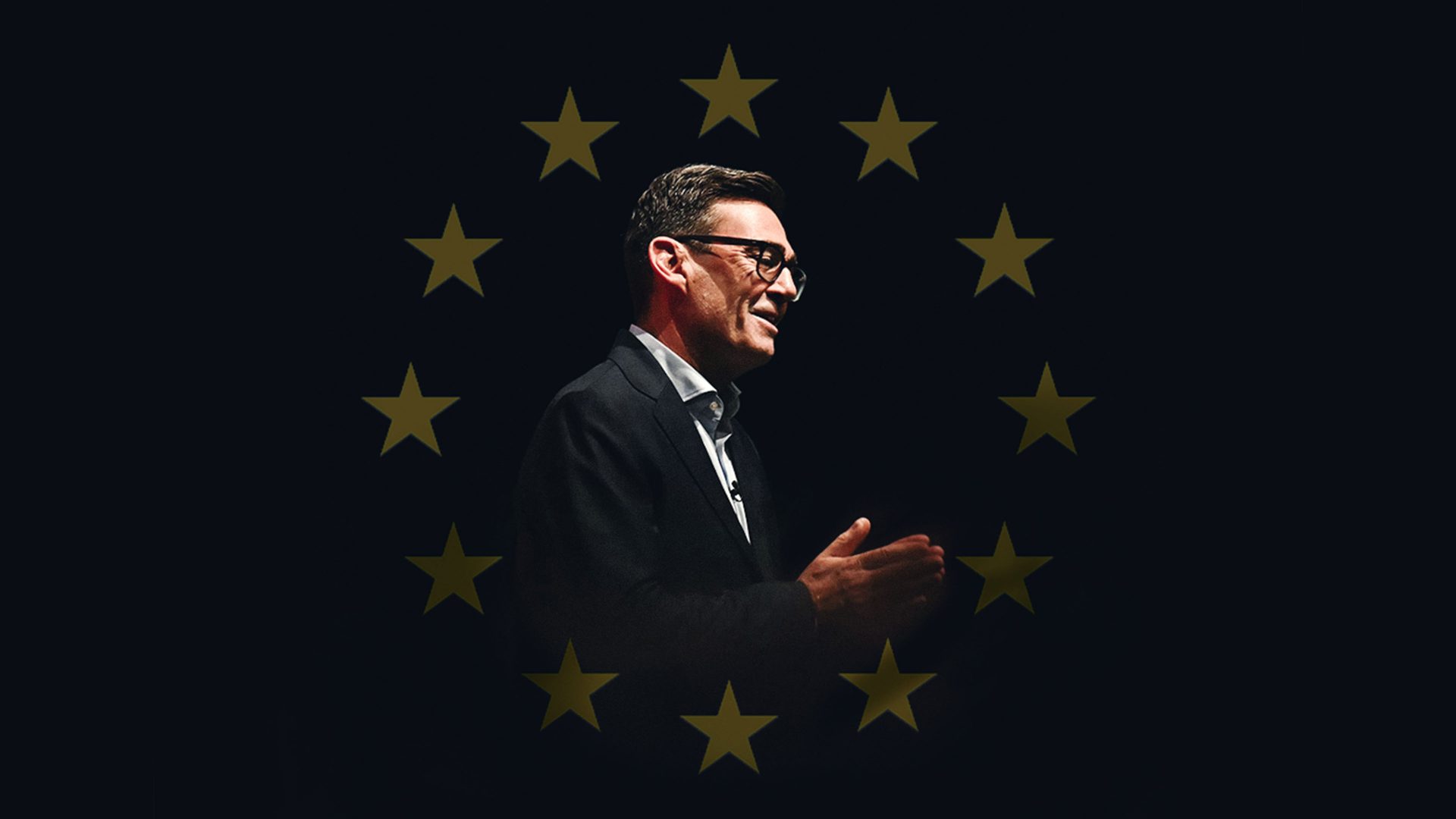
579. Trump’s Public Execution Order and Burnham’s Brexit Intervention
How does Marco Rubio’s Parthenon speech fit the Trump administration’s ideas on European “civilisational erasure” – and how does it depart from traditional Republican rhetoric? With Pete Heg... Continue14 October 2026
Posted by Alastair Campbell
210. Andy Burnham: My Relationship With Starmer, Brexit Lies and Emotion in Politics
How will he change Britain’s relationship with the EU? Why has he agreed to publish details of meetings following the Manchester City scandal? With the Trump administration planning to livestream a ... Continue12 October 2026
Posted by Alastair Campbell
Oct
22
2026
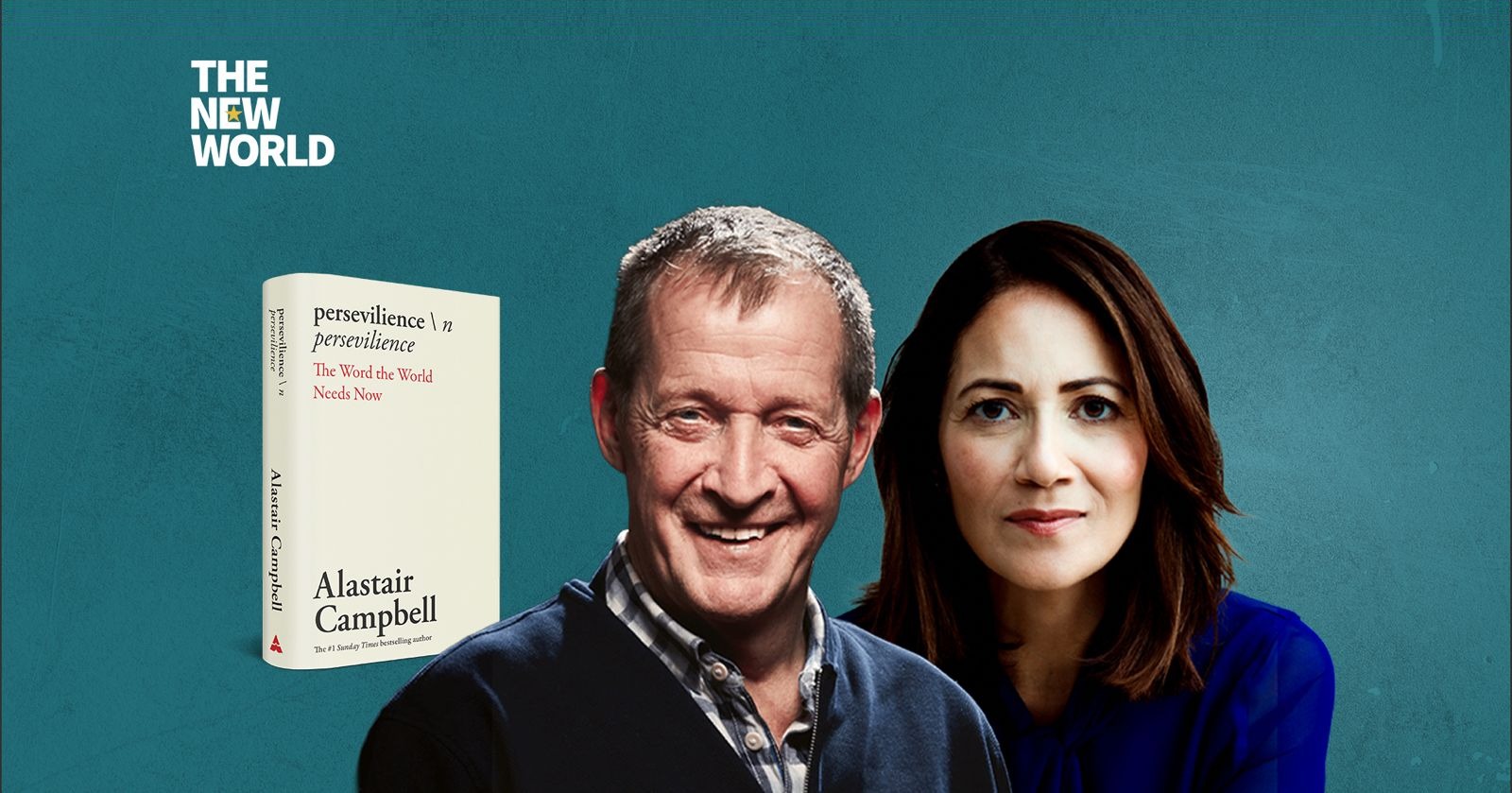
Alastair Campbell and Mishal Husain live at Cadogan Hall
He’s invented a word. He says it’s the word the world needs now. She’s going to make him explain why. Alastair joins acclaimed broadcaster Mishal Husain on stage to discuss his new book, Per... ContinuePosted by Alastair Campbell
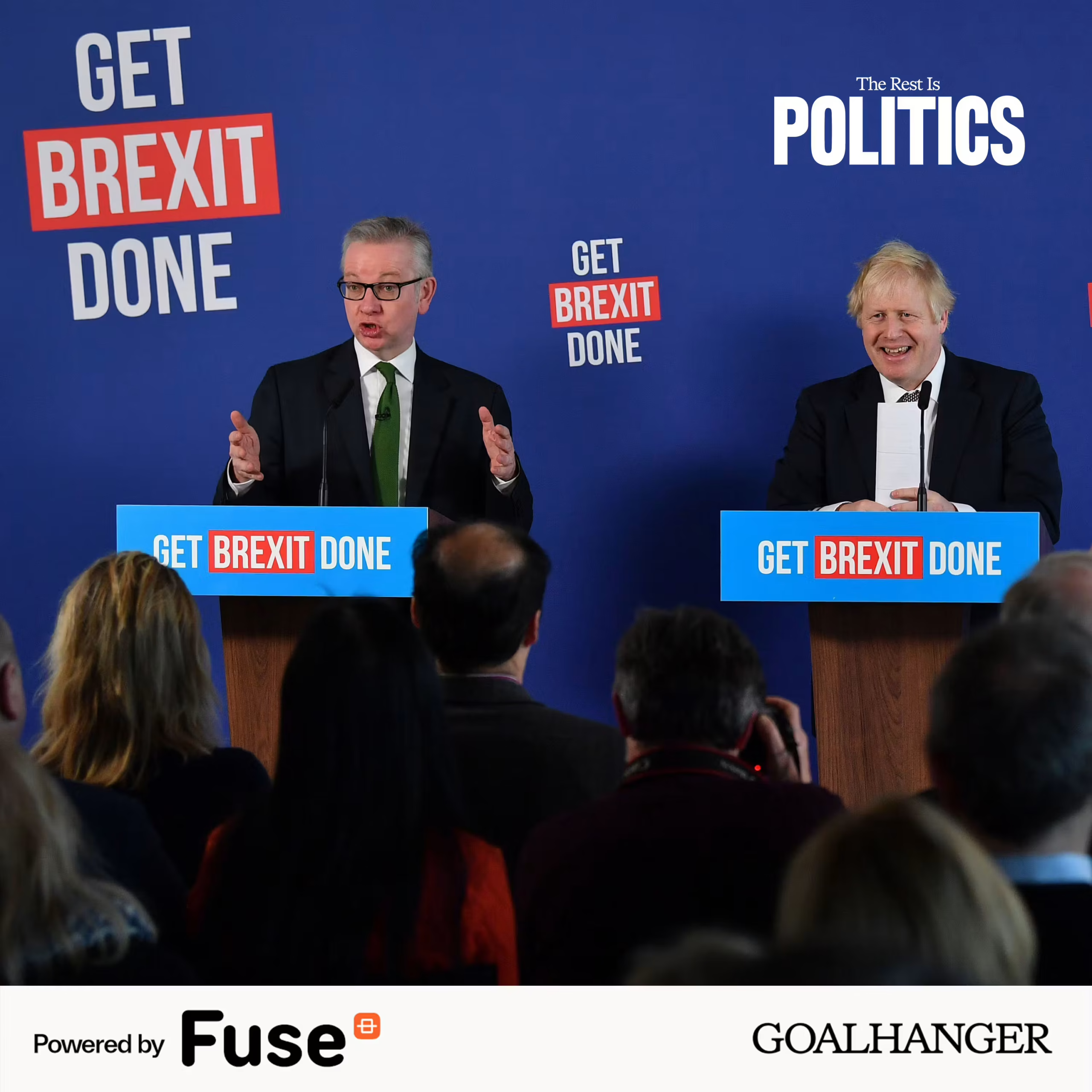
578. Alastair and Michael Gove Disagree Agreeably on Brexit and Israel
Will there be another EU referendum, despite Andy Burnham promising not to re-run old Brexit arguments? Will Michael Gove ever criticise Israel's actions in Palestine, and if not, why not? What do the... Continue8 October 2026
Posted by Alastair Campbell
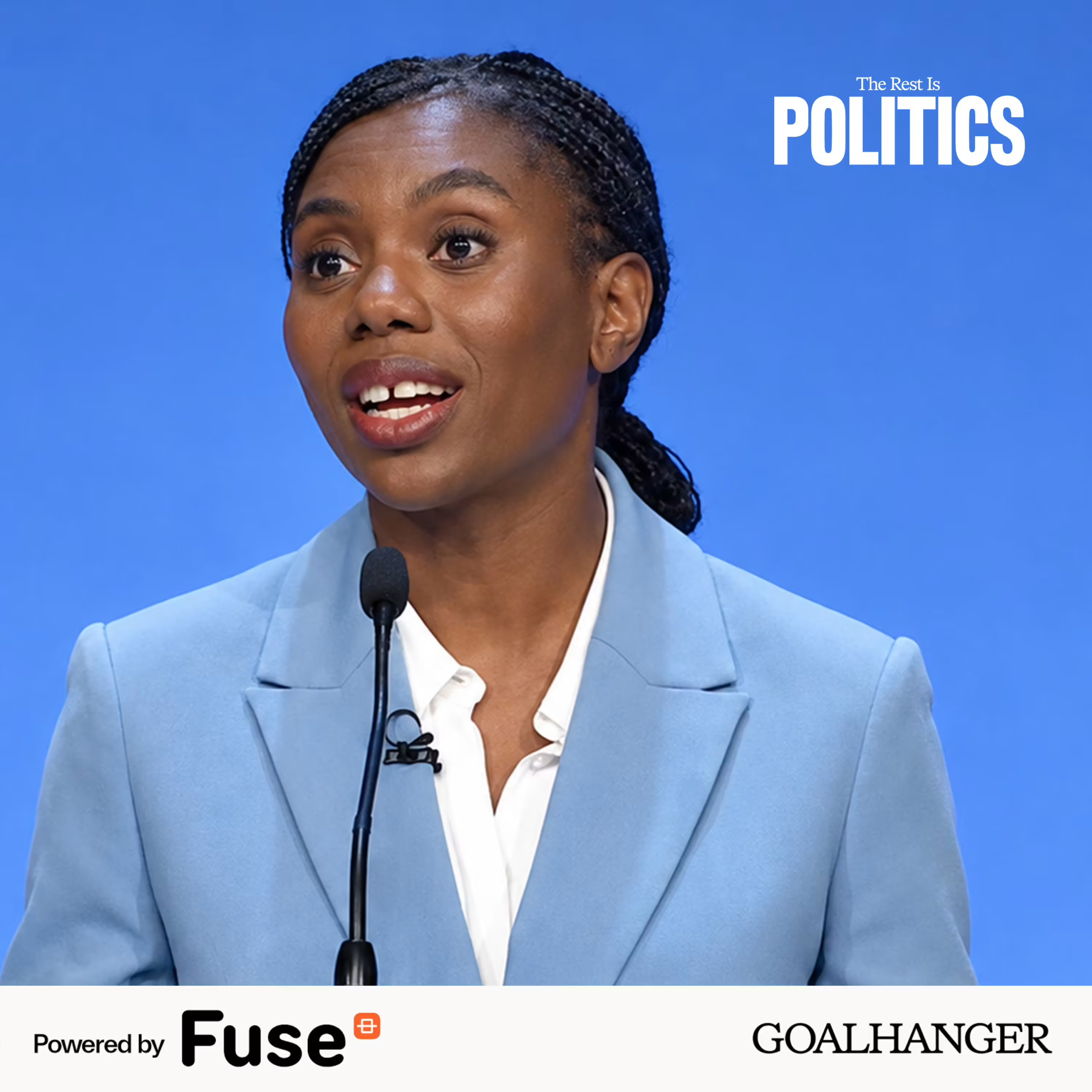
577. Is Badenoch Finally Stopping Farage and Why Are French Schools on Fire?
With Reform bogged down in scandal, and Kemi Badenoch setting out her political vision at Conservative Party conference, have the Tories finally wrestled momentum on the right of British politics away... Continue7 October 2026
Posted by Alastair Campbell
6 October 2026
Posted by Alastair Campbell
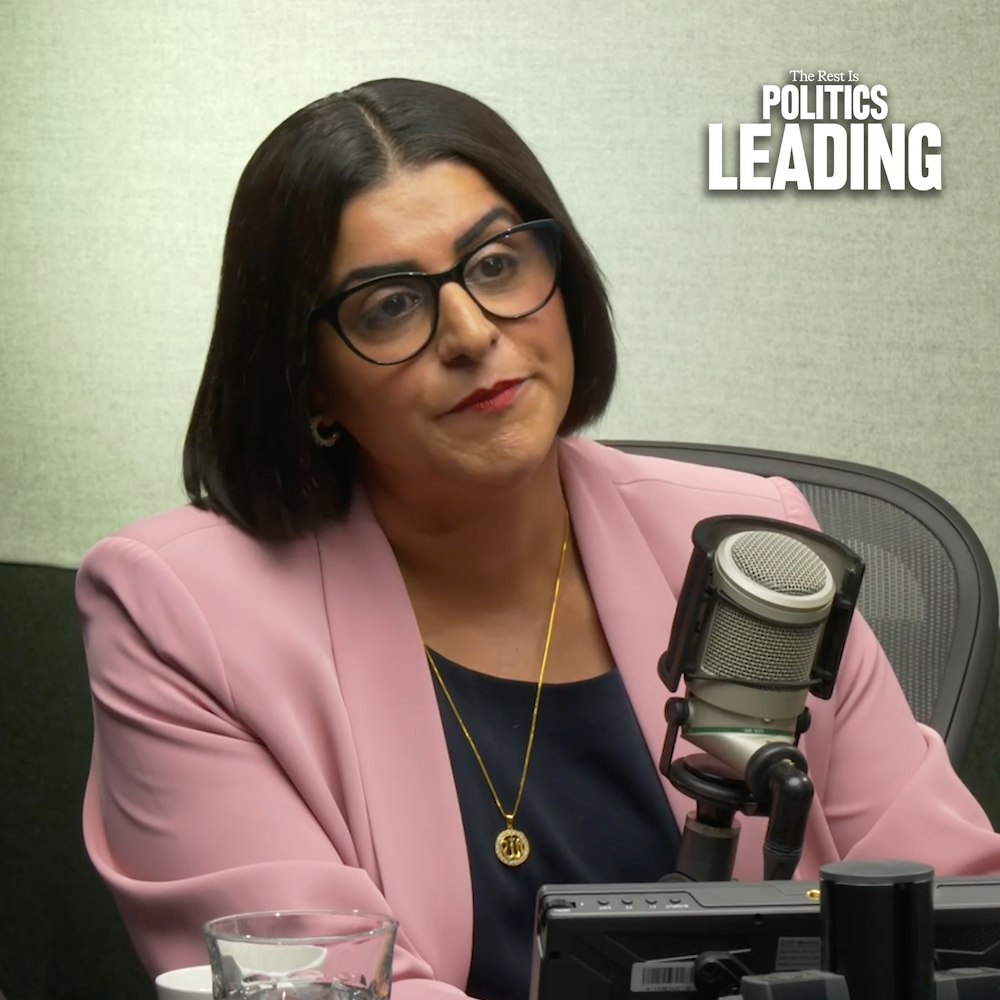
209. Shabana Mahmood: Palestine Action, Faith and What I Told Starmer
Is the government's ban on Palestine Action lawful, or overreaching? Why can't Britain just send small boats straight back to France? Can faith and public duty coexist in modern British politics? Ro... Continue5 October 2026
Posted by Alastair Campbell


Disinterest amazes and frightens me regarding matters broadly political and social. I have relatives who are teachers in state schools who profess utter disdain and indifference towards politics, stating that it does not concern them. Intelligent people, allegedly.
Social media has a great role to play in engaging people with their own politics – surely politicians should be actively chasing to engae the electorate at all times and by all means and through all media.
Having travelled where voting yet alone any form of democracy was not part of life it does amaze me that those of us who have the hard won good fortune that we do are so ready to take it so completely for granted.
Manifestos and voting do need to meet with and speak the language of the times in which we live.
Think China or Stalin’s USSR with five year fantasy plans come to mind in an average brit elector with a vote, on manifestos..
It means nothing outside the party political bubble, because it is all bluff and bluster, and a load of hot air, always.
Best way to approach it is just say how things are at the moment, and where it is going wrong, with a strong suggestion how it can be done better. No need for all these late night last minute editing bollocks producing propaganda just and only for the media, as if parties even don’t actually like to admit it.
It means nowt to the rest of us, and that is the gawd darn truth. Manifestos are bog paper, yes siree.
I don’t object to the word ‘manifesto’. But they should be more easily available. I also think that one huge grid should be constructed which all the parties would be forced to fill in, not unlike the principle of a job application form. That way they couldn’t waffle and would have to provide honest answers to certain categories of question.
The Manifesto should be short and unambiguous John Prescott’s pocket cards that were used in Tony Blair’s first term were concise and to the point.
Alternative name we are used to ‘Wish Lists’ on Amazon why not in politics it describes what is in the tin.
Given the total breakdown in faith in politicians of all flavours perhaps it is time for the parties to re-think how they can engage with the electorate. As has been witnessed over the last 2 years, manifestos don’t count for very much once a party has ‘acquired’ power. The problem isn’t the presentation of the manifesto or whatever you want to call it; the problem is the way in which parliament and much of public life is run. Politicians need to grasp the nettle and radically change the dis-functional system that is functioning to suit them rather than the people they are supposed to be representing.
I have just waded through the 2010 manifestos with a group of A-level students. I don’t think it helped inspire them much! They were all unnecessarily wordy, with much of little substance padding out some key pledges. I second KDouglas’s suggestion of a standard format which requires concise answers to set questions on key issues.