

Europe needs to get real on defence; Britain needs to get real on Europe
13 February 2025


Post
11 March 2011

3 minute(s) read
Recent Posts

209. Shabana Mahmood: Palestine Action, Faith and What I Told Starmer
Is the government's ban on Palestine Action lawful, or overreaching? Why can't Britain just send small boats straight back to France? Can faith and public duty coexist in modern British politics? Ro... Continue5 October 2026
Posted by Alastair Campbell
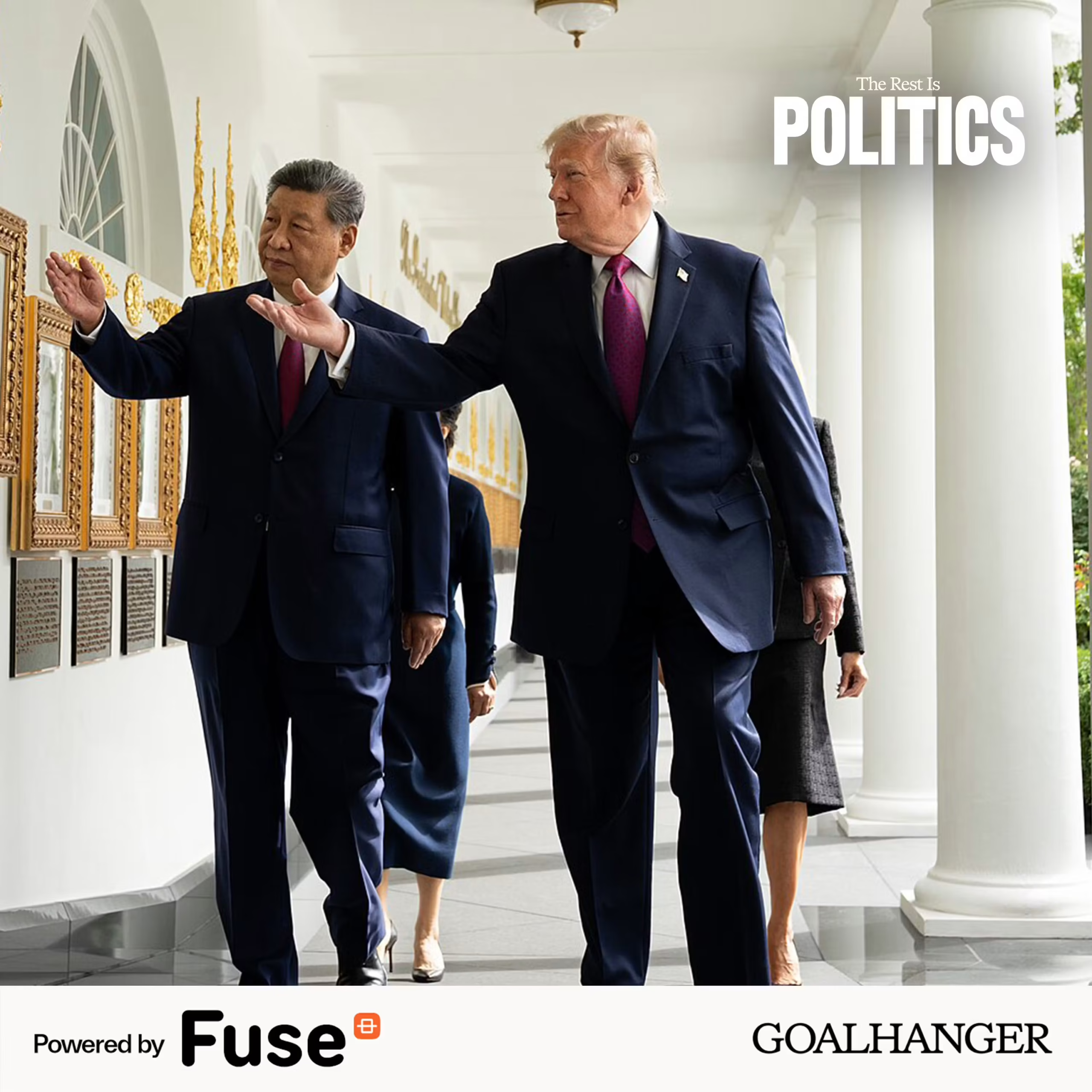
576. How Xi is Outplaying Trump and Tensions in Northern Ireland
As Trump becomes the first American president to personally welcome a visiting head of state off a plane since JFK greeted Harold Macmillan in 1962, did his summit with President Xi signal improving U... Continue1 October 2026
Posted by Alastair Campbell
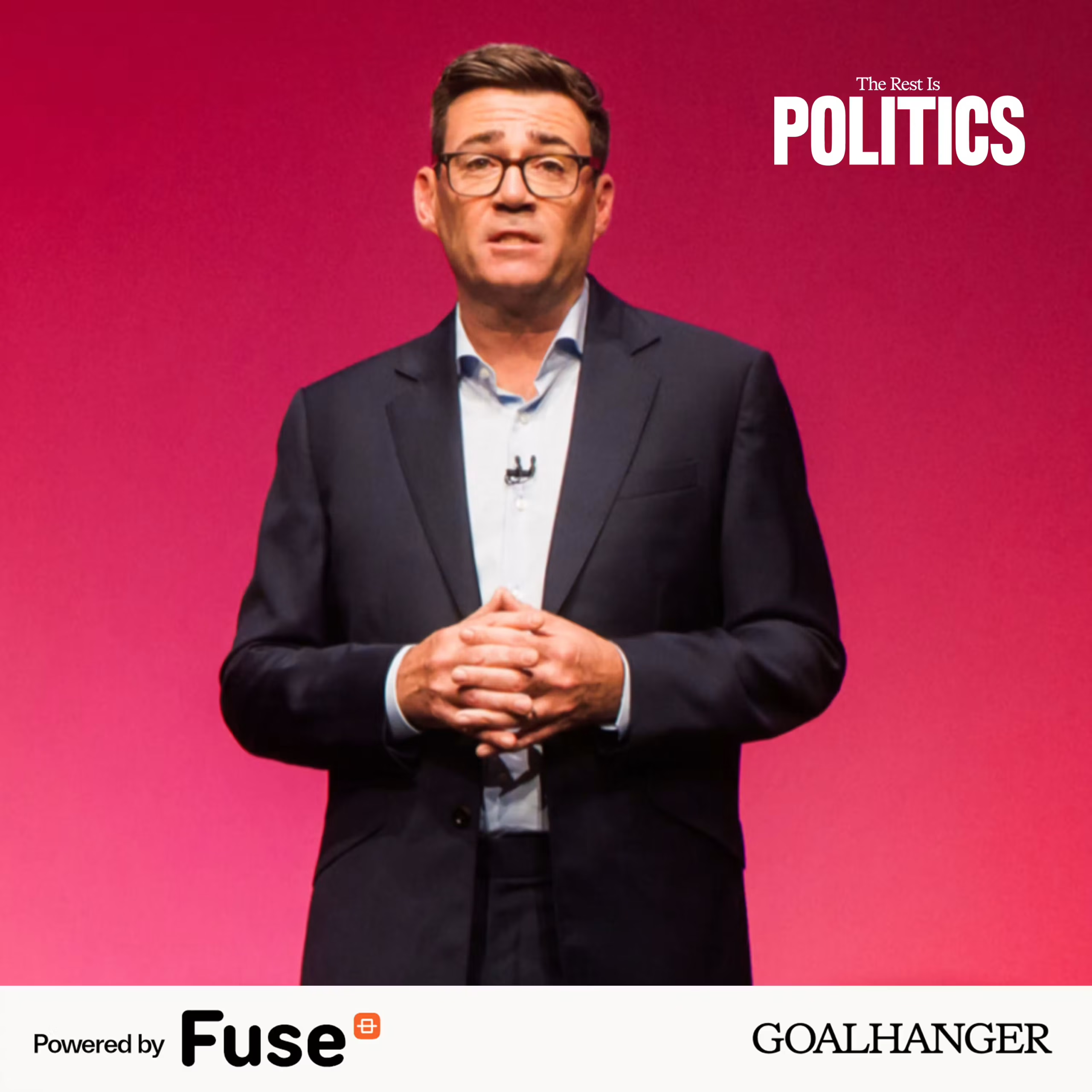
575. Alastair Reacts to Burnham’s Speech and Rory’s Viral Stare
Will scrapping the triple lock be electorally perilous for Burnham, or can his vision of a national care service convince the public and his party that it’s time for pension reform? Did being Mayor ... Continue29 September 2026
Posted by Alastair Campbell
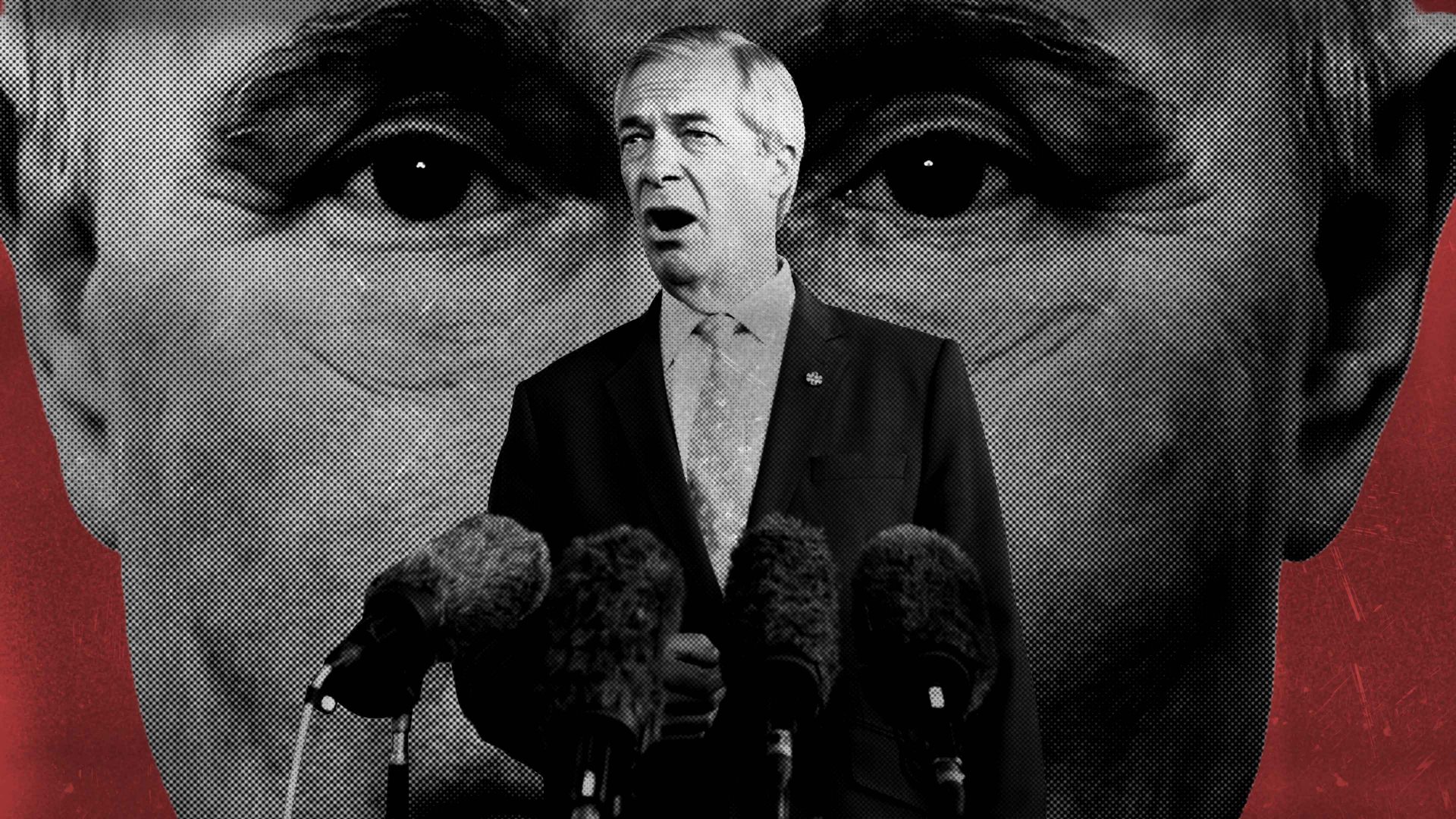
Alastair Campbell’s diary: Why is Farage so keen to protect Russia’s right to lie and cheat?
Reform's leader is protesting too much as he wails about free speech in the face of Putin’s disinformation... Continue
29 September 2026
Posted by Alastair Campbell
208. Mustafa Suleyman: Is AI Actually Conscious?
Can Artificial Intelligence stay subordinate? Is Anthropic’s 100-Page constitution creating dangerous AI autonomy? Should AI models be granted legal personhood, rights, or financial compensation? C... Continue28 September 2026
Posted by Alastair Campbell
Why Nuclear War Is More Likely Than You Think (with Carlo Rovelli)
Why have we stopped talking about the risk of nuclear war when the risk is greater than ever? What is a ‘nuclear winter’ and why are nuclear exchanges such extreme risks for the future of humanity... Continue24 September 2026
Posted by Alastair Campbell
574. Germany’s Political Disaster and Can the Lib Dems Fight Back?
As the far-right Alternative for Germany wins another regional election, wiping out the ruling Christian Democratic Union in former Chancellor Angela Merkel's own backyard, will Friedrich Merz face th... Continue24 September 2026
Posted by Alastair Campbell
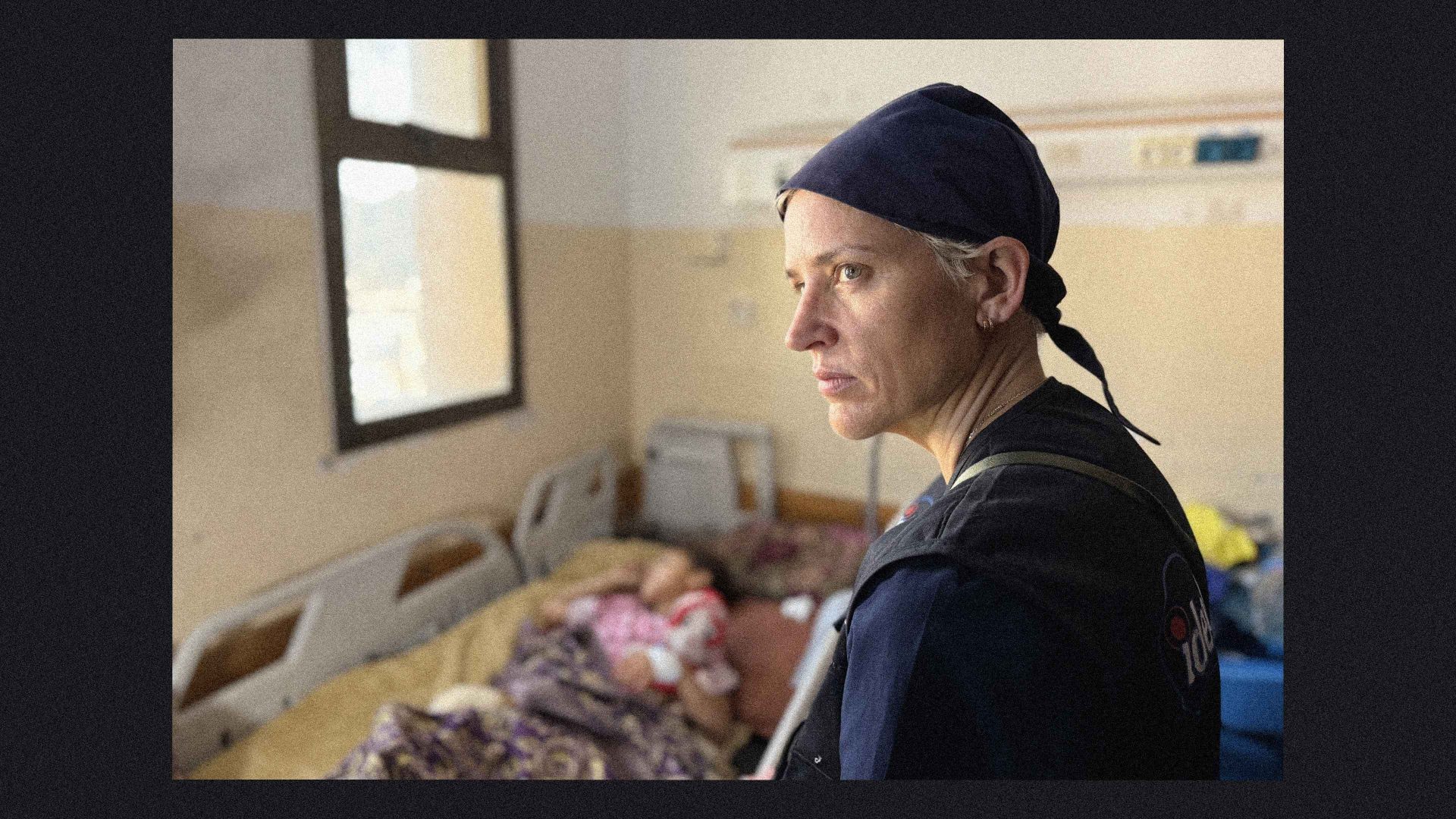
Alastair Campbell’s diary: I met a hero of Gaza in a cinema queue
A new documentary lets Victoria Rose and other doctors describe the horrors they have witnessed... Continue
23 September 2026
Posted by Alastair Campbell



This superinjunction sounds ridiculous. And there is even a ban on any mention that a court order even exists!
I think this is all about gagging the media by high profile rich people and big corporations. Certainly it is not about the freedom of speech!
Questions must be asked about the use of this measure.
But there must, of course, be a balance between free speech and right to reputation. Yet rich and powerful must not be allowed to curtail free speech.
Weakening libel law might encourage tabloids to trash even more reputations. But reframing of the law is needed to deal with the internet.
Libel law should not be used to inhabit free discussion of matters of public interest. And individuals should be able to obtain reliable information on issues of public concern.
If he is so keen on preventing references to his former role presumably he will be handing his knighthood back as well which he received for his ‘services’ to b*****g.
Historical Revisionism? For the impact and implications of actions to be studied and learned, one must first accept that they happened. Denial can be no defense for deliberate misdeeds.
I’m now curious regarding how these injunctions work. Sir Fred goes to court and gets the injunction. Does a notice then go to every paper, TV channel (before we even get started on bloggers etc) telling them that they can no longer refer to Sir Fred as a *anker?
…and his seven figure pension?
One of the problems with super-injunctions is that by definition, people don’t know what they’re really about. So it’s impossible to have a sensible debate about whether they’re in the public interest/a menace to democracy or otherwise.
I can see how there might be *a* role for them: they prevent a newspaper from complaining that they have been banned from publishing a story about some person, and by complaining effectively traducing that person almost as badly as the banned story. And newspapers have a history of claiming that they represent democracy/the public interest when they’re simply muck raking (Max Moseley springs to mind).
But the alleged terms of this injunction do sound absurd. I wonder what it’s *really* about.
Is there a super injunction against anyone calling him a wanker?
Blogs couldn’t give twos about super injunctions, and if Freddie wants to go after them, it’ll clogg the court system. And if all the media ignores it, same again – they can all refuse to pay damages, and take it to a higher court, and let it run a decade or two, until Freddie snuffs it after he falls off his yacht going for a pizzle into the sea in the middle of the night.
Hang on, who were we talking about again?
OOPS! It has just struck me, foot in mouth.
Apologies Alastair, for my last post, I referred to someone between the lines you knew well. Only realised afterwards when I remembered you worked for the DM, the one without the blue top, that is.
Please ignore and not post if it offends in any way. I think I was thinking of the sons more, though I have no clue what happened there either afterwards.
Sorry Alastair on my comment referring to a past friend.
It only clicked after I posted it and checked, on wiki and elsewhere.
Please ignore the comments.
It shows I need to read your autobiography.
So sorry that you did not have the balls to print my previous note. Your achilles is exposed. Let me try again:
If Dr Kelly had been able to obtain a superinjunction would he be alive today?
It was all a feck head time, as far as I am concerned.Live and learn.