

Europe needs to get real on defence; Britain needs to get real on Europe
13 February 2025


Post
28 November 2009

3 minute(s) read
Recent Posts
Oct
22
2026
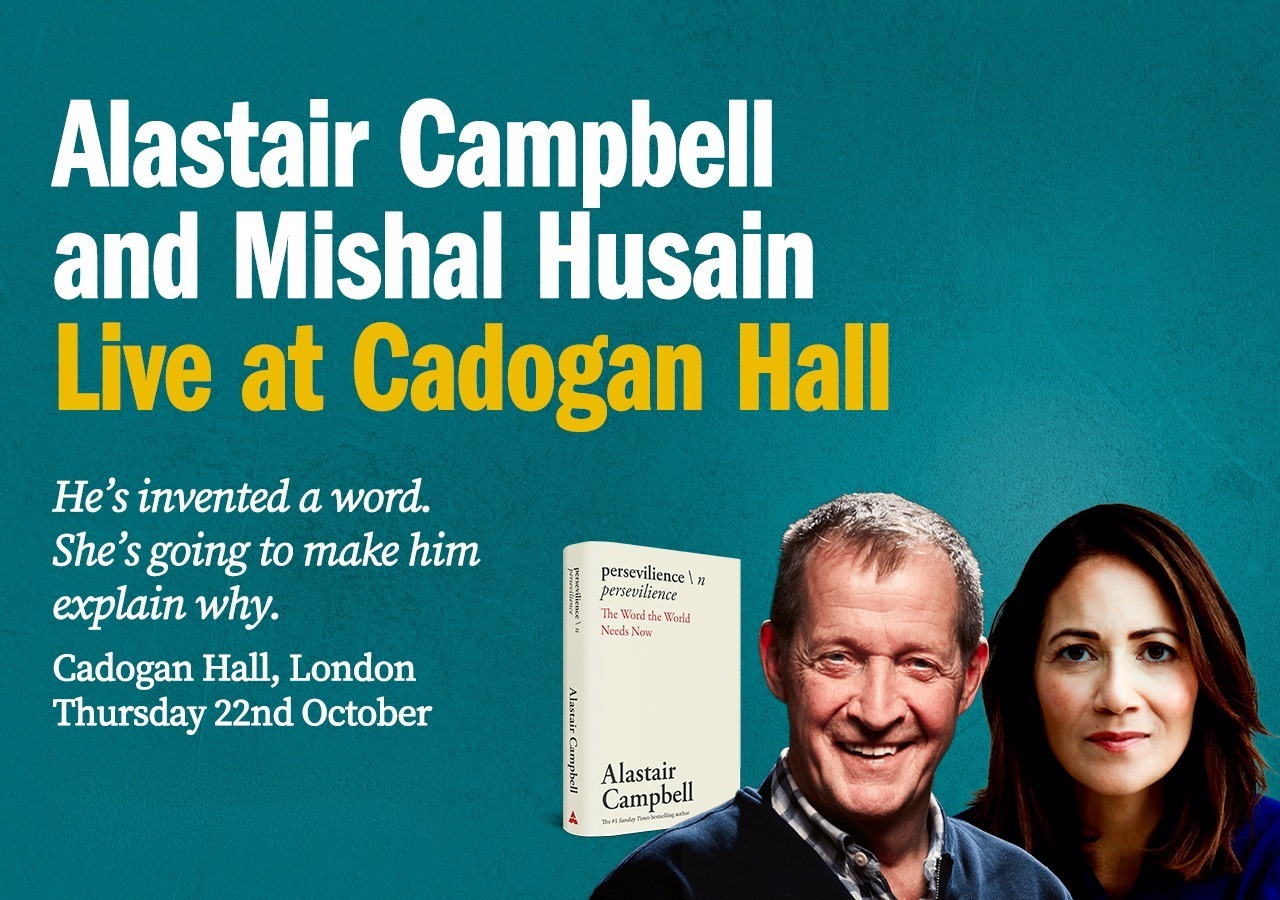
Alastair Campbell and Mishal Husain live at Cadogan Hall
He’s invented a word. He says it’s the word the world needs now. She’s going to make him explain why. Alastair joins acclaimed broadcaster Mishal Husain on stage to discuss his new book, Per... ContinuePosted by Alastair Campbell
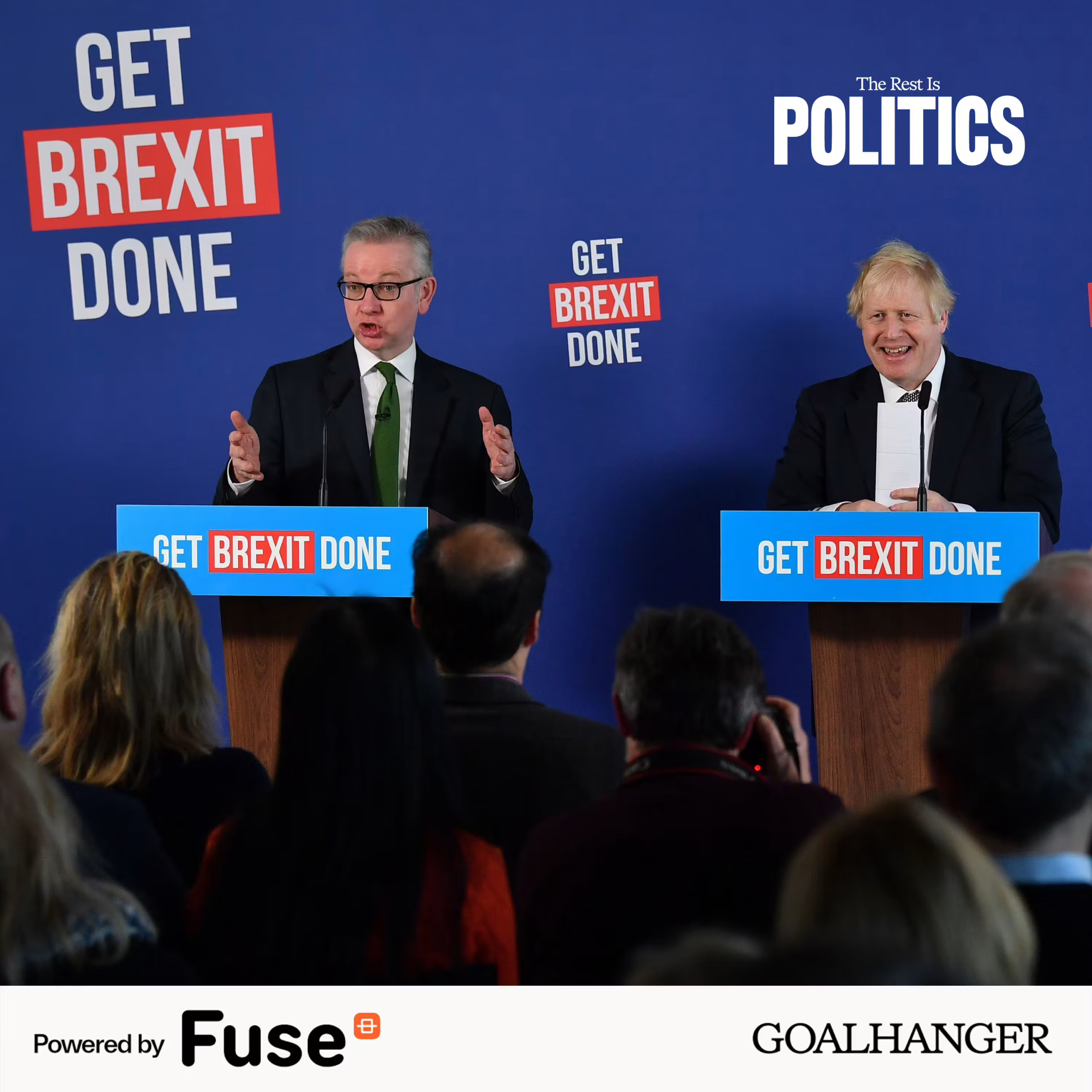
578. Alastair and Michael Gove Disagree Agreeably on Brexit and Israel
Will there be another EU referendum, despite Andy Burnham promising not to re-run old Brexit arguments? Will Michael Gove ever criticise Israel's actions in Palestine, and if not, why not? What do the... Continue8 October 2026
Posted by Alastair Campbell
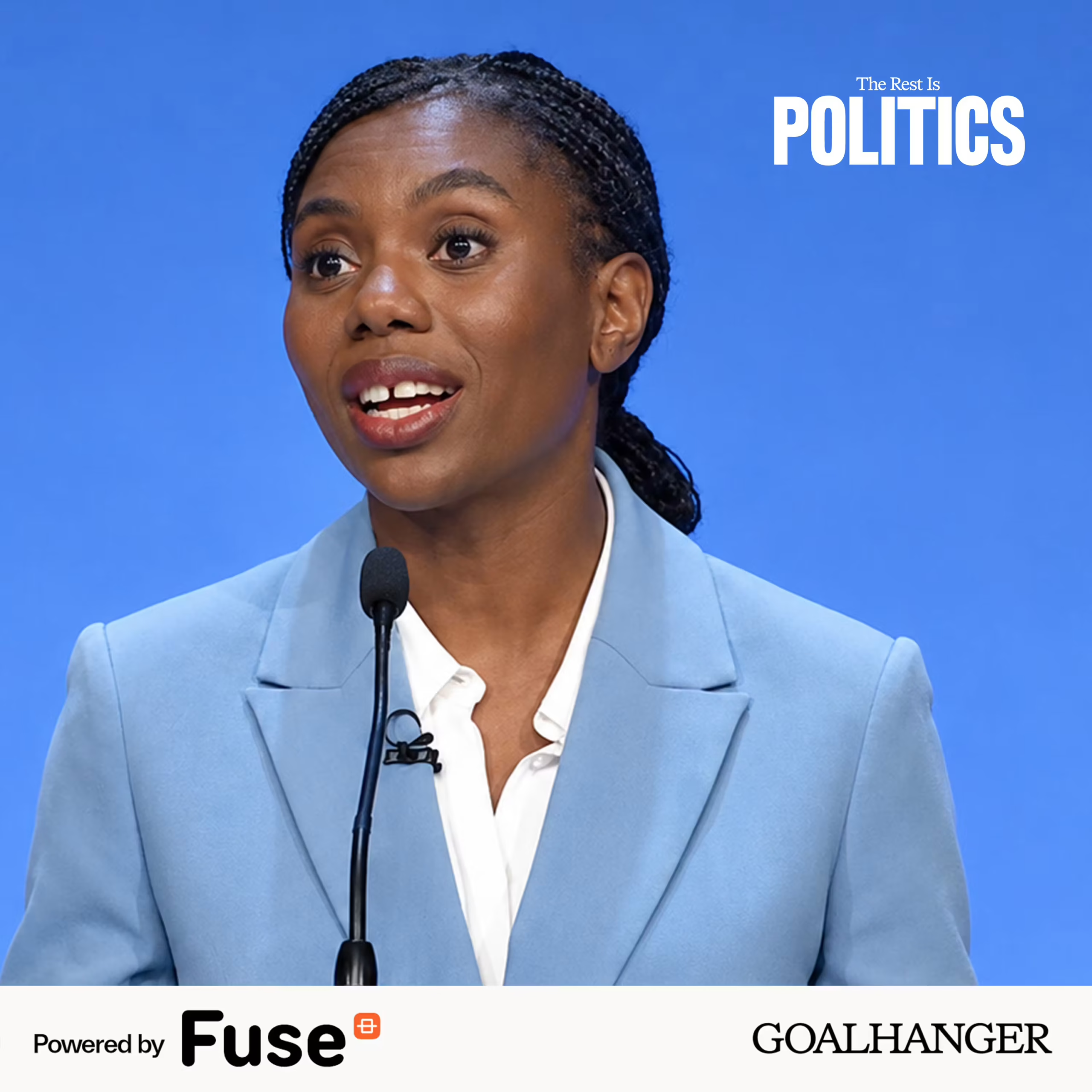
577. Is Badenoch Finally Stopping Farage and Why Are French Schools on Fire?
With Reform bogged down in scandal, and Kemi Badenoch setting out her political vision at Conservative Party conference, have the Tories finally wrestled momentum on the right of British politics away... Continue7 October 2026
Posted by Alastair Campbell

6 October 2026
Posted by Alastair Campbell
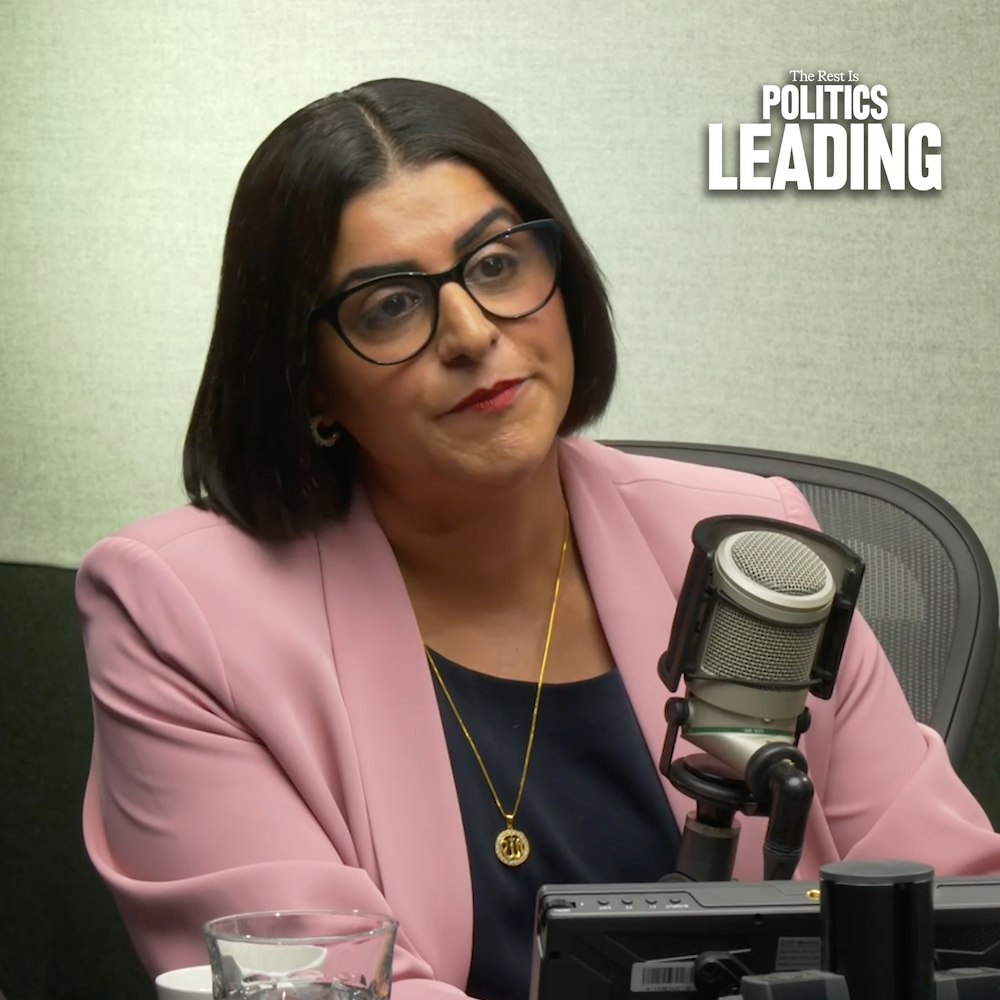
209. Shabana Mahmood: Palestine Action, Faith and What I Told Starmer
Is the government's ban on Palestine Action lawful, or overreaching? Why can't Britain just send small boats straight back to France? Can faith and public duty coexist in modern British politics? Ro... Continue5 October 2026
Posted by Alastair Campbell

576. How Xi is Outplaying Trump and Tensions in Northern Ireland
As Trump becomes the first American president to personally welcome a visiting head of state off a plane since JFK greeted Harold Macmillan in 1962, did his summit with President Xi signal improving U... Continue1 October 2026
Posted by Alastair Campbell

575. Alastair Reacts to Burnham’s Speech and Rory’s Viral Stare
Will scrapping the triple lock be electorally perilous for Burnham, or can his vision of a national care service convince the public and his party that it’s time for pension reform? Did being Mayor ... Continue29 September 2026
Posted by Alastair Campbell
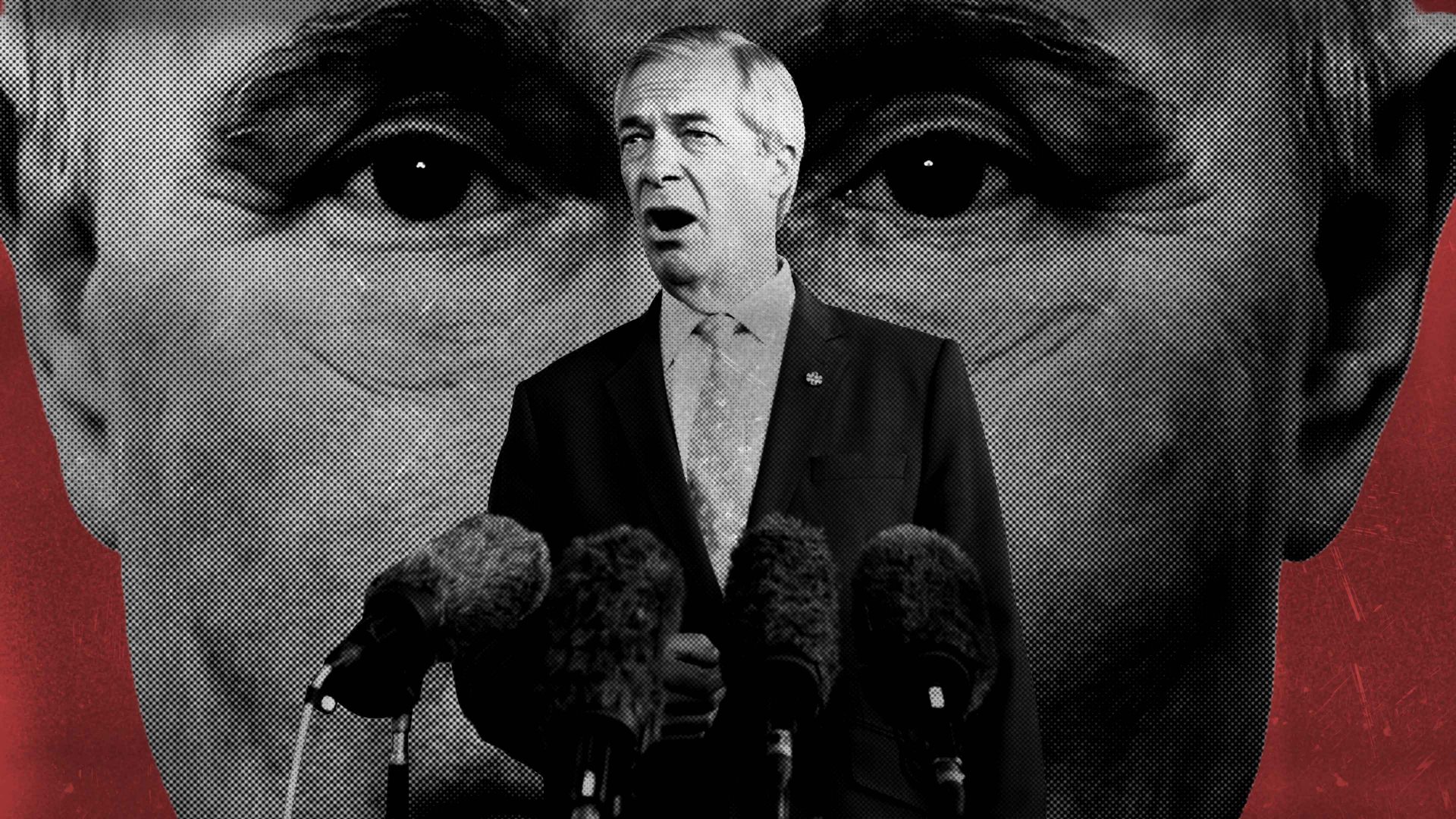
Alastair Campbell’s diary: Why is Farage so keen to protect Russia’s right to lie and cheat?
Reform's leader is protesting too much as he wails about free speech in the face of Putin’s disinformation... Continue
29 September 2026
Posted by Alastair Campbell


Nice read. It makes you wonder – especially the bit about him being ridiculed at the time – whether for example those who are now warning of climate change disaster are being listened to too late. Or whether those calling for legalisation of drugs are ahead of their time. It is always interesting to see the difference between eventually accepted conventional wisdom, and the pain of those who are trying to get it accepted in the first place
I usually come on here for a good old fashioned dose of Tory bashing, of which there is not nearly enough going on may I say, so thanks for that. But I like it when you have the odd break from politics and induldge in a bit of musing. The Prof sounds quite a spirit
Duly inspired, I will do my long run of the week … in training for first marathon
Hi Alistair
Thanks for telling us about Professor Morris
A true champion of the people especially to speak out on health inequalities & It makes me emotional that certain illnesses only occur in the less well off in society. This is why Labour must win the battle to eradicate Poverty.
Alastair my dear……..you make no mention of your current excercise programme or health regime?????????????…………..Mine consists of a minimum of 4 racketball games a week at an age no longer disclosed……..I think it’s really time we all got off our backsides.
Remember, when you appear before Chiolcot – you believed everything that you were told by the intelligence services.