
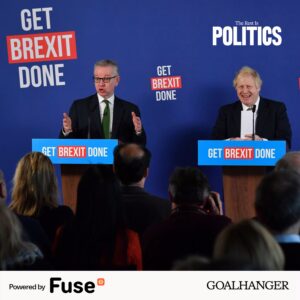
578. Alastair and Michael Gove Disagree Agreeably on Brexit and Israel
8 October 2026


Leading
15 August 2025

How does Guyana balance its unprecedented economic growth, largely due to oil discoveries, with environmental sustainability? How does Guyana perceive and address the historical scar left by slavery? What has happened to West Indies cricket, and how does the future look?
Alastair is joined by President of Guyana, Ifraan Ali, to answer all these questions and more.
Join The Rest Is Politics Plus: Start your FREE TRIAL at therestispolitics.com to unlock exclusive bonus content – including Rory and Alastair’s miniseries – plus ad-free listening, early access to episodes and live show tickets, an exclusive members’ newsletter, discounted book prices, and a private chatroom on Discord.
Social Producer: Harry Balden
Video Editor: Josh Smith
Assistant Producer: Alice Horrell
Producer: Nicole Maslen
Head of Content: Tom Whiter
Exec Producers: Tony Pastor, Jack Davenport
Learn more about your ad choices. Visit podcastchoices.com/adchoices

1 minute(s) read
Recent Podcasts
8
Oct 2026
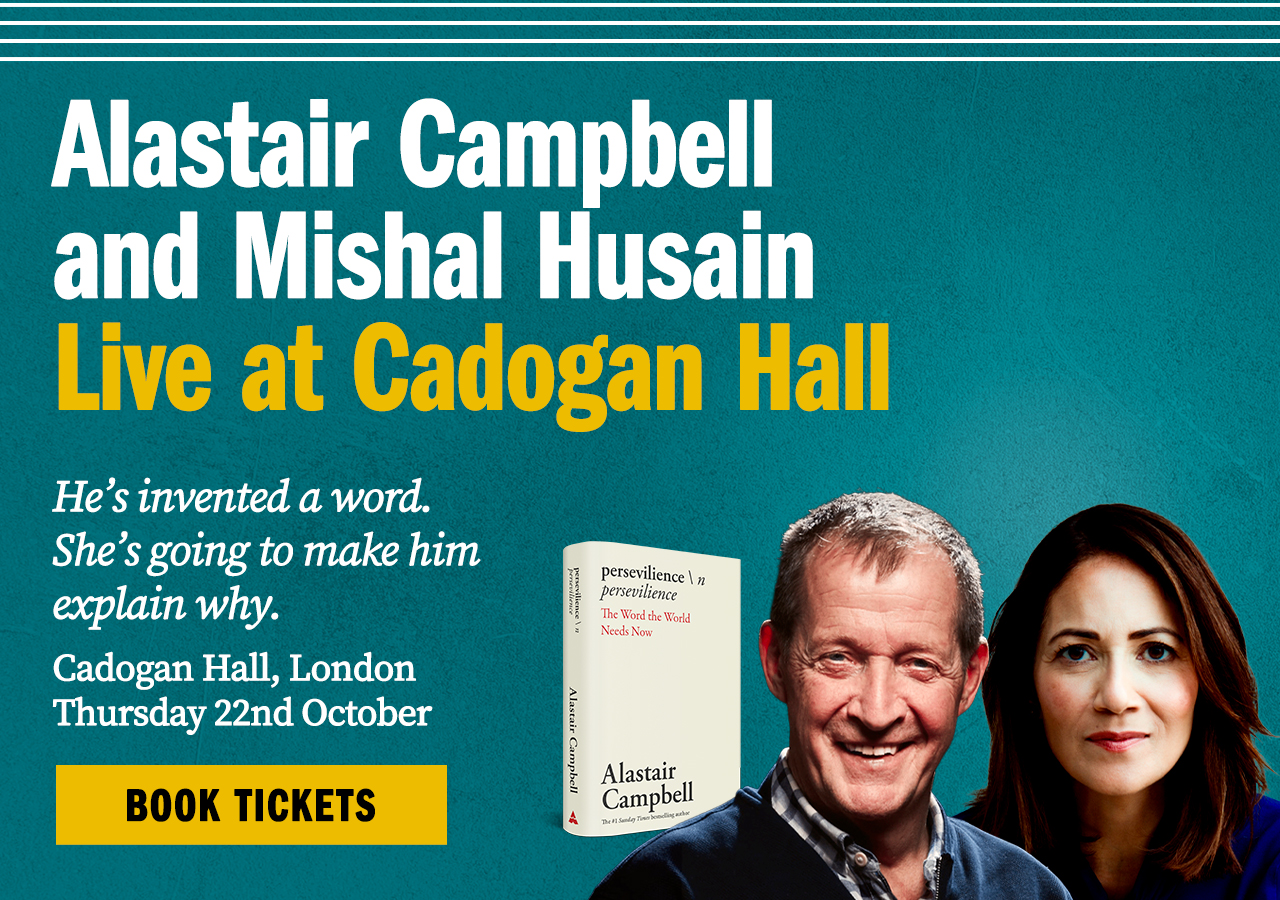
Alastair Campbell and Mishal Husain live at Cadogan Hall
Thursday 22 October 2026, 7.30pm · Cadogan Hall, London Brought to you by The New World magazine He’s invented a word. He says it’s the word the world needs now. She’s going to make him exp... ContinuePosted by Alastair Campbell
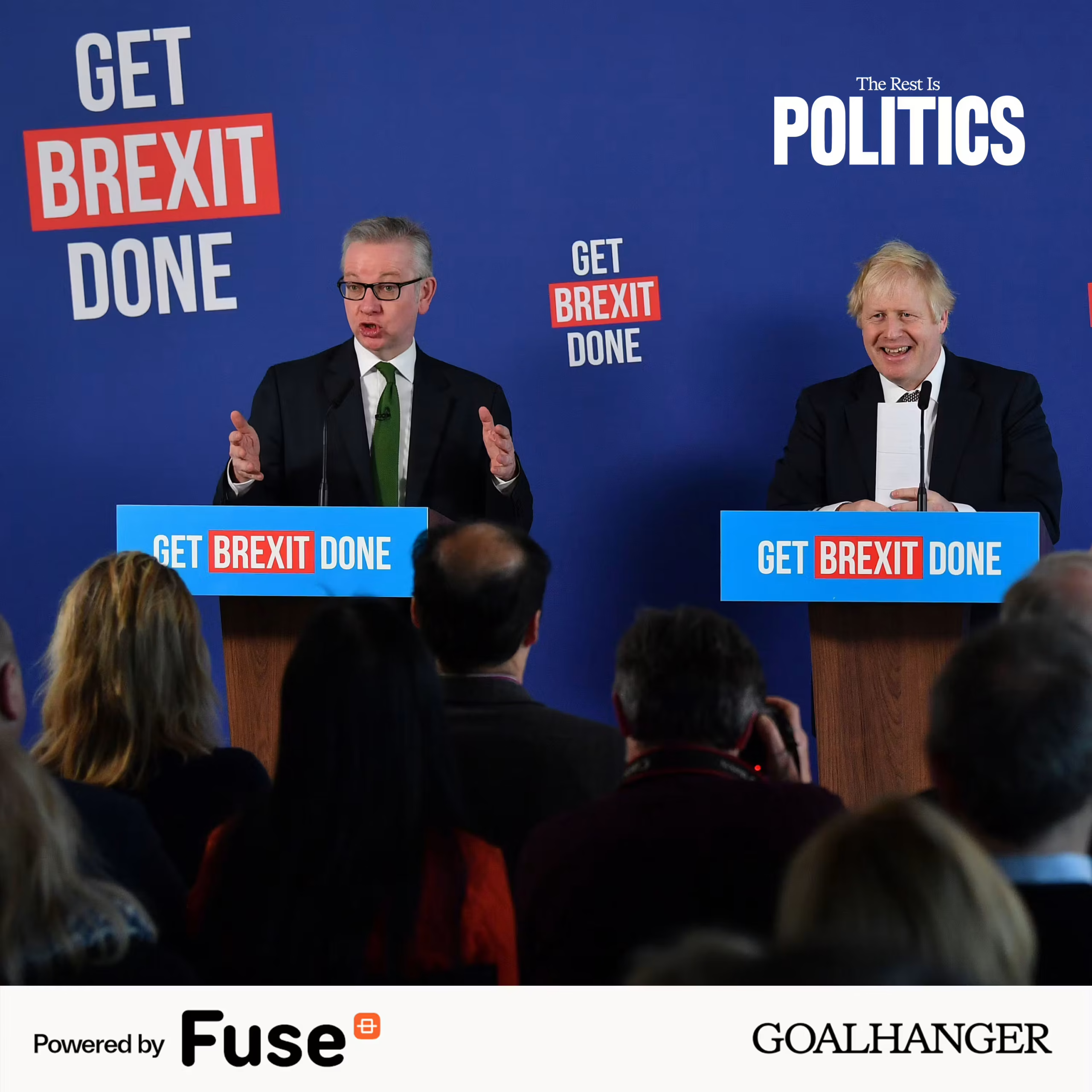
578. Alastair and Michael Gove Disagree Agreeably on Brexit and Israel
Will there be another EU referendum, despite Andy Burnham promising not to re-run old Brexit arguments? Will Michael Gove ever criticise Israel's actions in Palestine, and if not, why not? What do the... Continue8 October 2026
Posted by Alastair Campbell
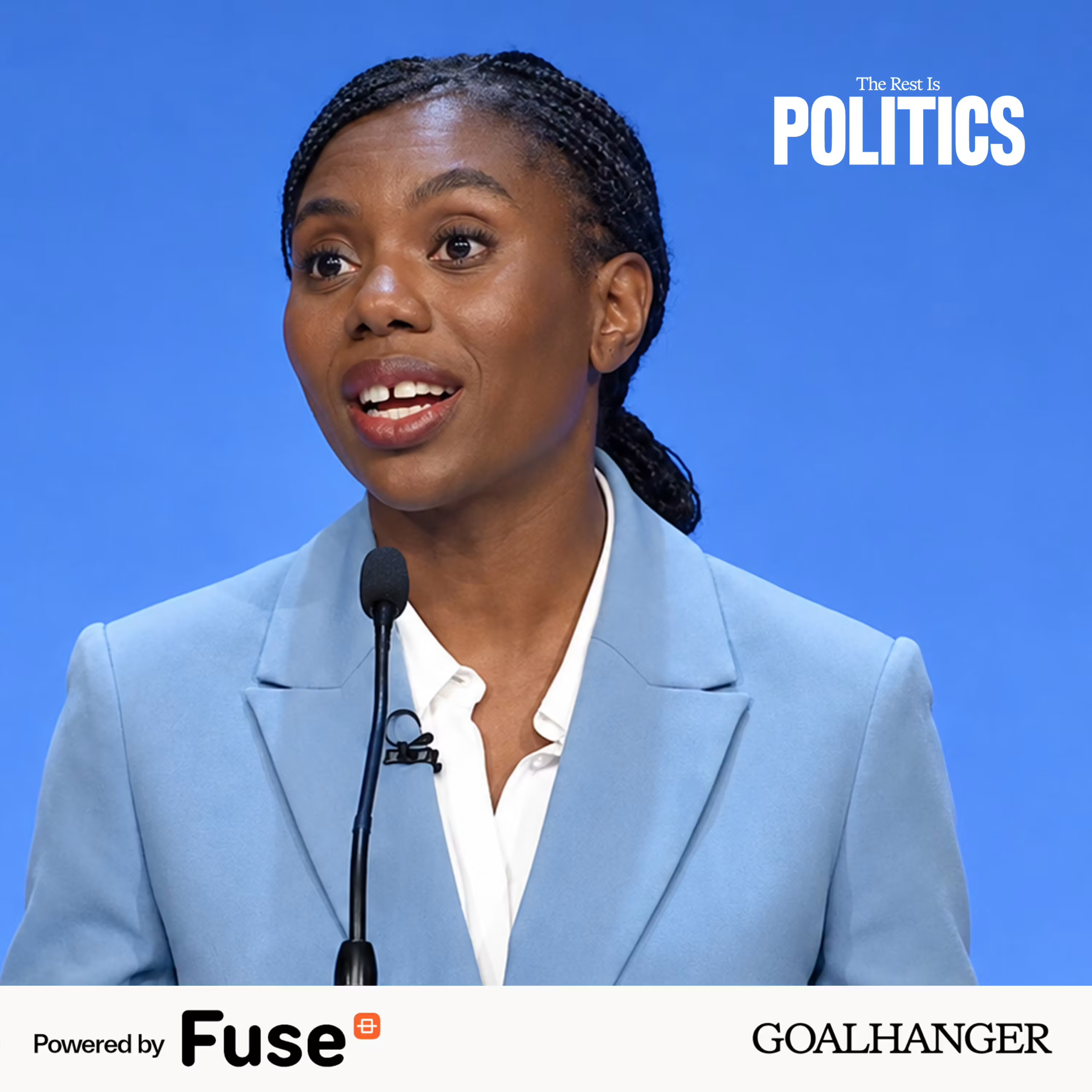
577. Is Badenoch Finally Stopping Farage and Why Are French Schools on Fire?
With Reform bogged down in scandal, and Kemi Badenoch setting out her political vision at Conservative Party conference, have the Tories finally wrestled momentum on the right of British politics away... Continue7 October 2026
Posted by Alastair Campbell

6 October 2026
Posted by Alastair Campbell
209. Shabana Mahmood: Palestine Action, Faith and What I Told Starmer
Is the government's ban on Palestine Action lawful, or overreaching? Why can't Britain just send small boats straight back to France? Can faith and public duty coexist in modern British politics? Ro... Continue5 October 2026
Posted by Alastair Campbell
576. How Xi is Outplaying Trump and Tensions in Northern Ireland
As Trump becomes the first American president to personally welcome a visiting head of state off a plane since JFK greeted Harold Macmillan in 1962, did his summit with President Xi signal improving U... Continue1 October 2026
Posted by Alastair Campbell
575. Alastair Reacts to Burnham’s Speech and Rory’s Viral Stare
Will scrapping the triple lock be electorally perilous for Burnham, or can his vision of a national care service convince the public and his party that it’s time for pension reform? Did being Mayor ... Continue29 September 2026
Posted by Alastair Campbell
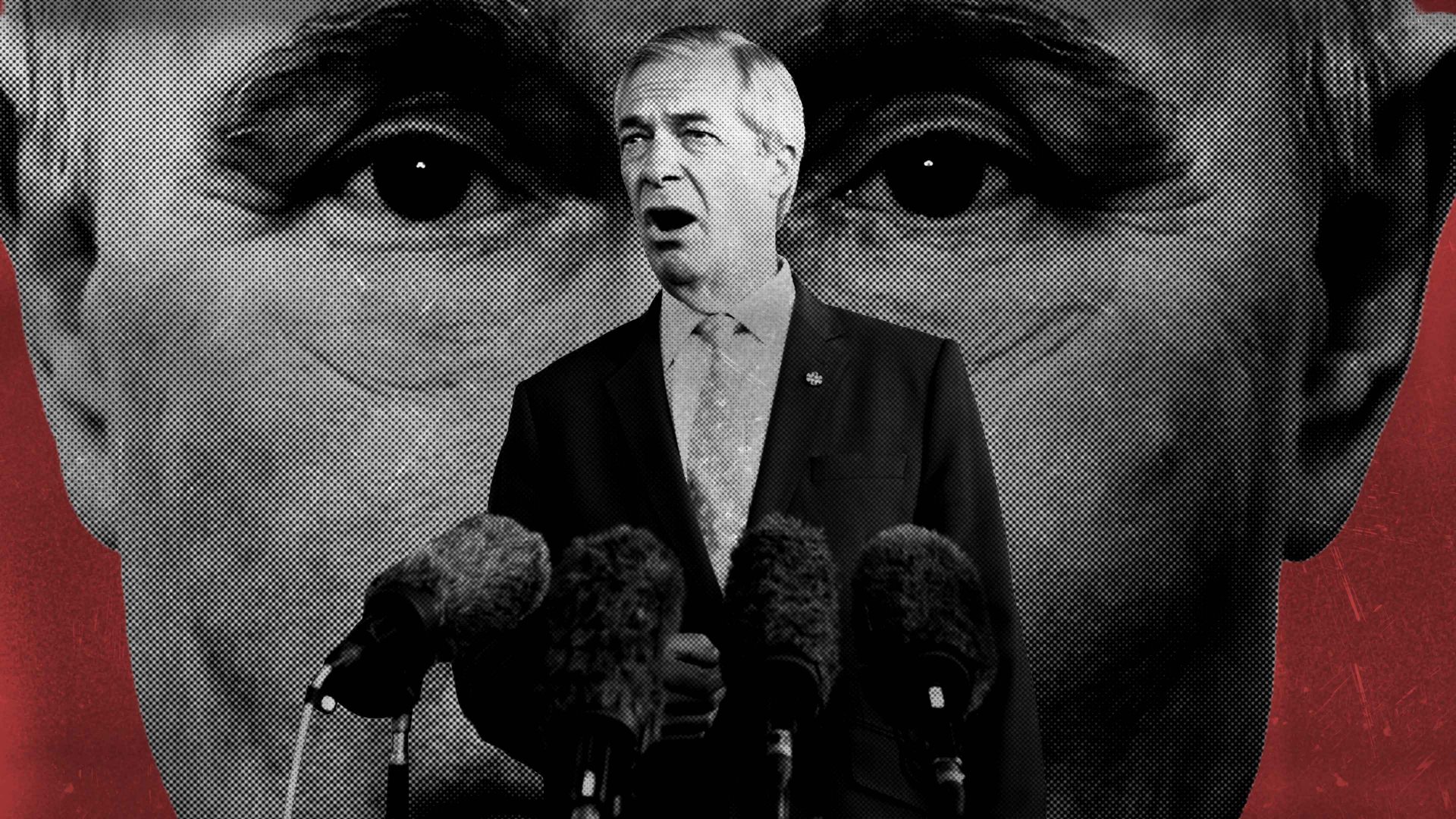
Alastair Campbell’s diary: Why is Farage so keen to protect Russia’s right to lie and cheat?
Reform's leader is protesting too much as he wails about free speech in the face of Putin’s disinformation... Continue
29 September 2026
Posted by Alastair Campbell
Alastair Campbell, co-host of the political podcast The Rest is Politics, asked in the new episode of Leading—featuring Irfaan Ali, the President of Guyana—some important questions regarding the country’s low-carbon strategy, management of the sovereign wealth fund (including the Norway model), corruption in the wake of the oil boom, and Guyana’s position on the Venezuelan border controversy.
He was, however, largely served fairy tales about good governance and effective corruption management in Guyana—how the NRF is under strict parliamentary control, and so forth. Overall, it was a missed opportunity to probe Guyana’s President with the questions that matter:
• Why haven’t you renegotiated the lopsided oil contract with ExxonMobil and its partners?
• Why has the ruling party blocked all parliamentary commissions of oversight from functioning?
• How come infrastructure projects are awarded to incompetent contractors with no track record?
• Why haven’t you travelled to Norway to learn how they have insulated their sovereign wealth fund from political interference?
• Why has the President not set up a Commission of Inquiry to investigate credible evidence of alleged corruption involving Vice President Bharrat Jagdeo?
• Why hasn’t the President investigated the Commissioner of Information for blocking requests for public information?
• How come Silica City—the President’s pet development project—is being planned and built without parliamentary control, oversight, or an approved budget?
• How will the Government of Guyana respond to last year’s recommendations of the UN Human Rights Committee on civil and political rights?
• What is your administration’s strategy to make Guyana attractive enough for university graduates to stay in a country where nepotism and party loyalty often trump merit?
• How come the broad Guyanese public has only seen increases in the cost of living and housing shortages, while a few chosen ones—mainly associated with the ruling party and their families and friends—have profited massively from the oil boom?
These are only some of the burning questions that should have been asked in such a forum. President Ali systematically refuses to give interviews to the domestic independent press and does not respond to questions from NGOs such as the Oil & Gas Governance Network (OGGN) Guyana (www.oggn.org) or members of civil society.
OGGN conducted an eight-week letter campaign, asking various members of the Government of Guyana specific questions regarding the lopsided 2016 oil contract. None of the ministers, including the President himself, took the time to address the questions raised (see the OGGN homepage for links to the February–April 2025 letter campaign). Is this the President’s vision of inclusive and responsible government? Or is it a reflection of the reality of good governance, accountability, and transparency in Guyana under his rule?
In closing: what is the true value of interviews with leaders of the Global South if the moderator has little knowledge of the country and no real grasp of its domestic politics—apart from a briefing with the British High Commissioner to Guyana prior to recording the conversation? If you are unable to separate fairy tales from facts, you are doing both your audience and your brand a disservice.