Guest blog from a ‘proper’ psychiatrist, on how the ‘nest’ can help the mind

  • Post

  • 23 September 2016

  • Posted by Alastair Campbell

  • 0

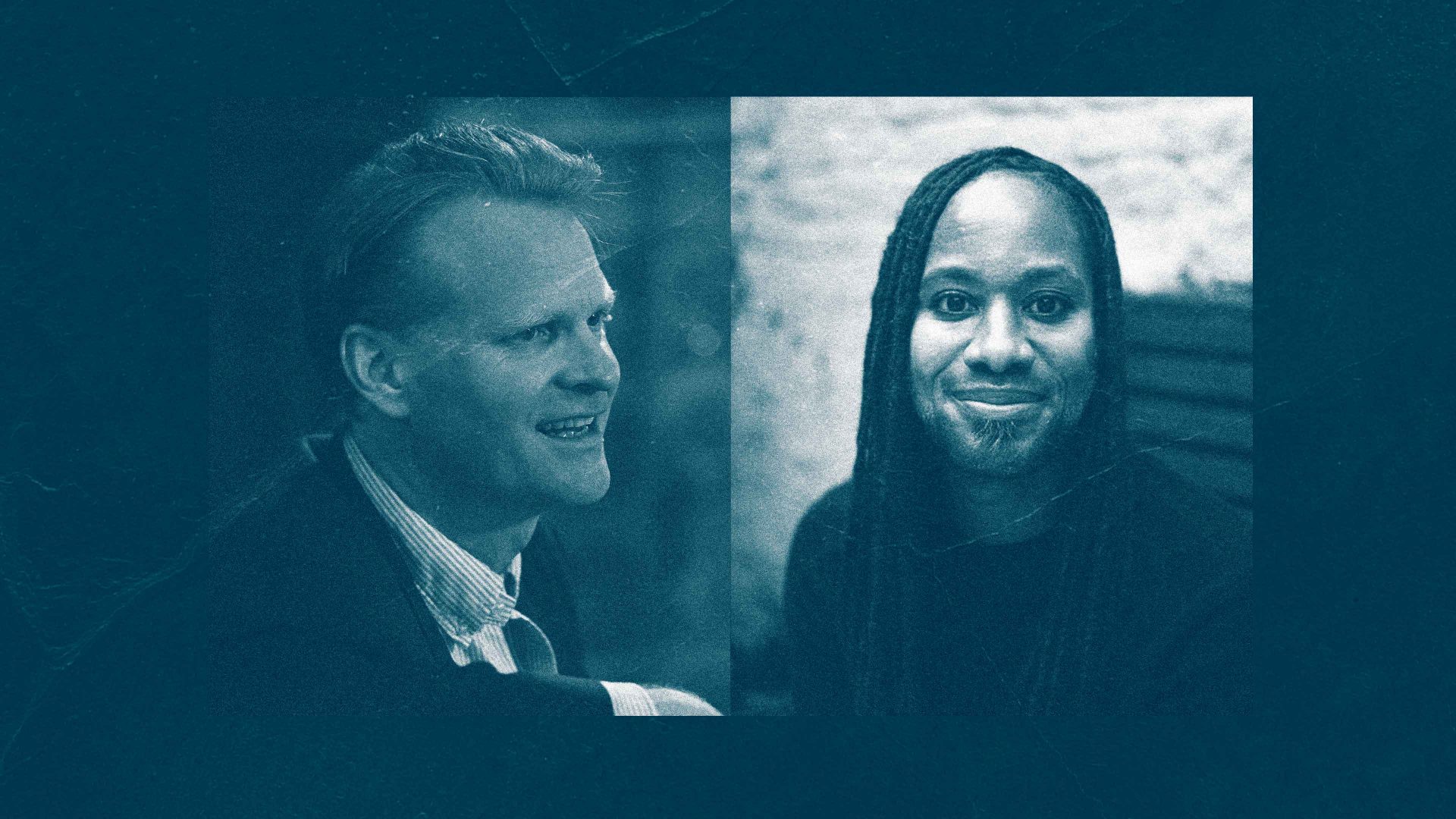
Guest blog by Peter Tyrer, Emeritus Professor of Community Psychiatry, Imperial College, London Most people who read Alastair’s account of his brother, Donald, and his eulogy at Donald's funeral, will have been invigorated and cheered by such a positive biography of someone with schizophrenia. But I suspect that few would have come across similar stories, as the media has a general tendency to report only the bad news about severe mental illness. As someone who has been practising psychiatry for 51 years I can truly say that Donald’s story is not an isolated one. But it could become much more frequent if we adopted new ways of looking at schizophrenia and all forms of chronic mental illness. In the early 1990s I was looking after some of the most severe cases of mental illness in the country, when my catchment area included central London. There is a phenomenon commonly called ‘social drift’ which describes the tendency of people with severe mental illness to gravitate to the centre of large towns and cities, and London of course is a prime example of this. Most people I was involved in treating had been ill for years and, unfortunately, were in the ten percent minority who had made little or no response to standard treatments for schizophrenia. They were fed up with psychiatry, highly critical of what they commonly called ‘the system’ (the service that allegedly looked after them but which seemed to be primarily looking after itself) and had lost all faith in standard therapies. At this point I introduced to treatment that subsequently became known as ‘nidotherapy’ (nest therapy). This is named after the nest, an excellent natural example of an environment that will adjust to any shape that is placed within it. So instead of trying more and more treatments that never seemed to work, the focus was changed to altering all aspects of the environment – physical, social and personal – so as to make a better fit between person and setting. One essential part of this was the need for the patient to be the driving force. There is a tendency for paternalism to take over when deciding on environmental changes for patients – ‘we are the experts and we know what is best for you’ - but this is abhorred in nidotherapy. A large part of treatment is involved in getting to know the patient really well and to find out what changes in the environment are really wanted. These have to be realistic and be subjected to a reasonable timetable so that they can be monitored. This approach has been remarkably successful with some patients and supports increasing awareness that patient choice is an important factor in outcome. Of course Donald did not receive nidotherapy in the formal sense. But the University of Glasgow practised it perfectly when they made him the official piper for the University. They knew he had schizophrenia, but they also knew he was an excellent piper, and so his illness was discounted. It is quite clear that this role was also what Donald wanted, and the fact that he was carrying out an important task on behalf of the University, not a token one that is so common in those with severe mental illness, meant that his self esteem was maintained and that in many ways he considered himself to be much more important than his brother. We need more organisations like the University of Glasgow to be far-seeing and generous in their understanding of mental illness. We are trying to promote this by developing nidotherapy across the world, not just in the United Kingdom. To date, Sweden has been the most generous in embracing it. The Donald saga, for it is indeed a saga of considerable proportion, is an excellent example of the advantages of nidotherapy in practice, and should be a beacon for those who want to move the treatment of severe mental illness forward. If you want to read more about nidotherapy go to www.nidotherapy.com , and, even better, registerto attend one of our nidotherapy workshops at Newark every February. You can also support nidotherapy by coming to ‘The Death of King John’ at the Palace Theatre in Newark on 19th October, the 800th anniversary of King John’s death in Newark Castle in 1216. If anyone needed nidotherapy, it was King John, but he was 800 years out of time. PS from Alastair … I have had some inquiries about where people can buy copies of Donald's bagpipe CDs. Glasgow University kindly donated all unsold stock to the family and we have donated several hundred of his CDs to the Scottish Association for Mental Health. The charity will be using them to raise funds. We will also be donating his several sets of bagpipes to young pipers who cannot afford their own.

Leave a Reply

Your email address will not be published. Required fields are marked *

184. President of Ukraine: Volodymyr Zelenskyy

At a time when the United States is threatening to withdraw from NATO, how can Europe maximise its power to deter Russia's threat? If Vladimir Putin were given the territory Donald Trump offered in hi... Continue

9 April 2026

Alastair Campbell’s diary: Here’s what Zelensky really thinks of JD Vance

After the madness of MAGA in Iran, meeting Ukraine’s president is a lesson in empathy and emotion... Continue

9 April 2026

519. Trump’s NATO Threat & a Critical Election in Hungary (Question Time)

Following Trump's threats to remove the US from NATO, is the alliance effectively finished? After nearly two decades in power, could Viktor Orbán finally be unseated in Hungary's upcoming election? H... Continue

8 April 2026

518. Is Trump a Fascist and is His War on Iran Unwinnable?

Has Trump crossed the line from right-wing populist to fascist? Is he fighting a war with Iran he cannot win? Is Iraq being dragged in against its will? Join Dominic Sandbrook and Alastair Campbell a... Continue

7 April 2026

183. From Bradford to Westminster: Faith, Identity, and Power (Naz Shah)

How did Naz Shah’s experience growing up in Bradford and her experience with her family in the legal system influence her to go into politics? What does it mean for a political party to truly “sta... Continue

6 April 2026

The Real Reasons Populism Is Taking Over

What is populism, and why is it so attractive to voters? Which human instincts do populists tap into to get votes? And what does a populist-led country look like? Alastair is joined by Liam Byrne, MP... Continue

2 April 2026

517. Is Trump Plotting Regime Change in Cuba? (Question Time)

Does Trump already have one eye on regime change in Cuba, as the US faces strategic failure in the Iran war? Who is more dangerous to the world right now, Putin or Netanyahu? Should Starmer be doing m... Continue

2 April 2026

516. Trump’s Iran Delusion and the Limits of American Power

Why has opposition to the Iran war been so muted within Trump’s America, and how is the US uniquely insulated from the worst impacts of the war? Do American tech billionaires now pose a serious thre... Continue

1 April 2026