
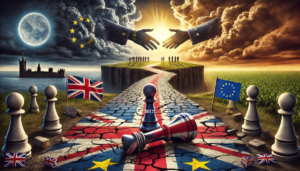
Europe needs to get real on defence; Britain needs to get real on Europe
13 February 2025


Post
28 November 2009

3 minute(s) read
Recent Posts
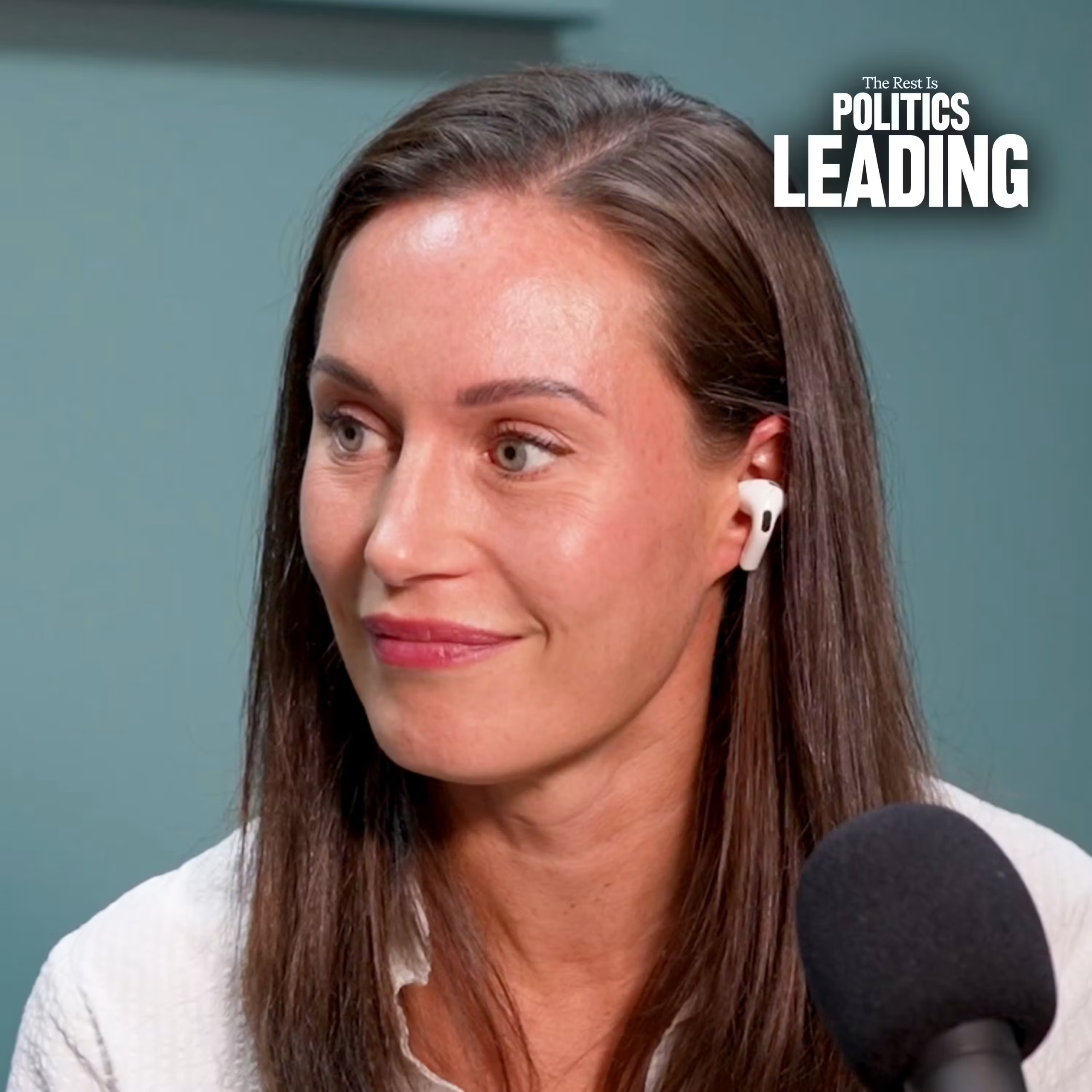
206. How Putin’s War Changed Finland Forever (Sanna Marin)
Following Putin's war in Ukraine, how politically challenging was it committing Finland to join NATO? What was it like becoming the world's youngest sitting prime minister at 34? Why did a scandal ove... Continue14 September 2026
Posted by Alastair Campbell

“Our Generation Was Lied To”: Two Gen Z MPs on Fixing Politics
To hear the full series “The Gen Z Story”, sign up at the restispolitics.com – use your student email for a discount How do you get older colleagues to take you seriously when you become an MP ... Continue11 September 2026
Posted by Alastair Campbell
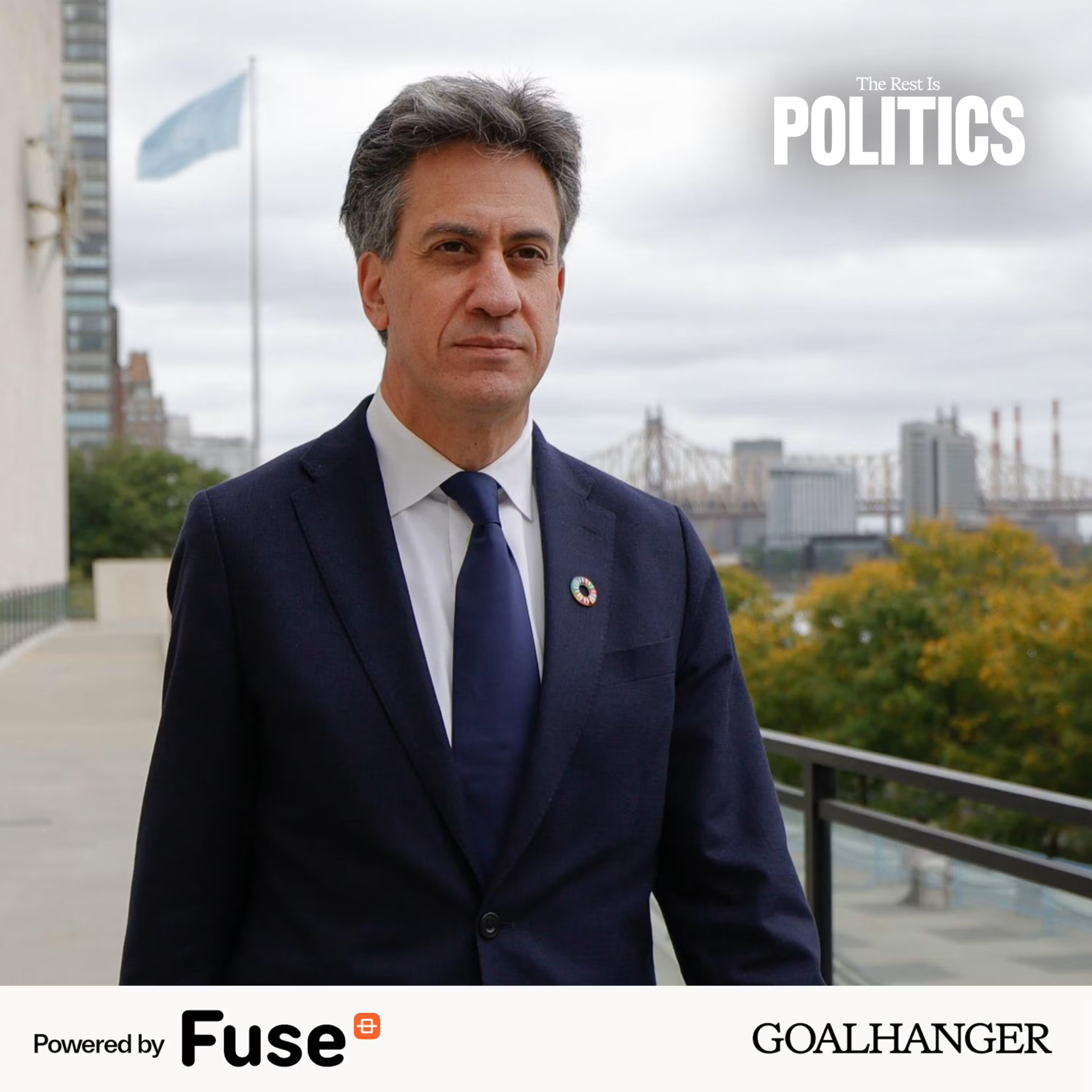
570. Why Trump Acts Like a Russian Asset and Miliband’s West Bank Sanctions
After Trump’s latest betrayal of Ukraine, why does he act like a Russian asset? Has John Healy already missed his moment to be a radical Chancellor, and does Ed Miliband’s move to impose economic ... Continue10 September 2026
Posted by Alastair Campbell
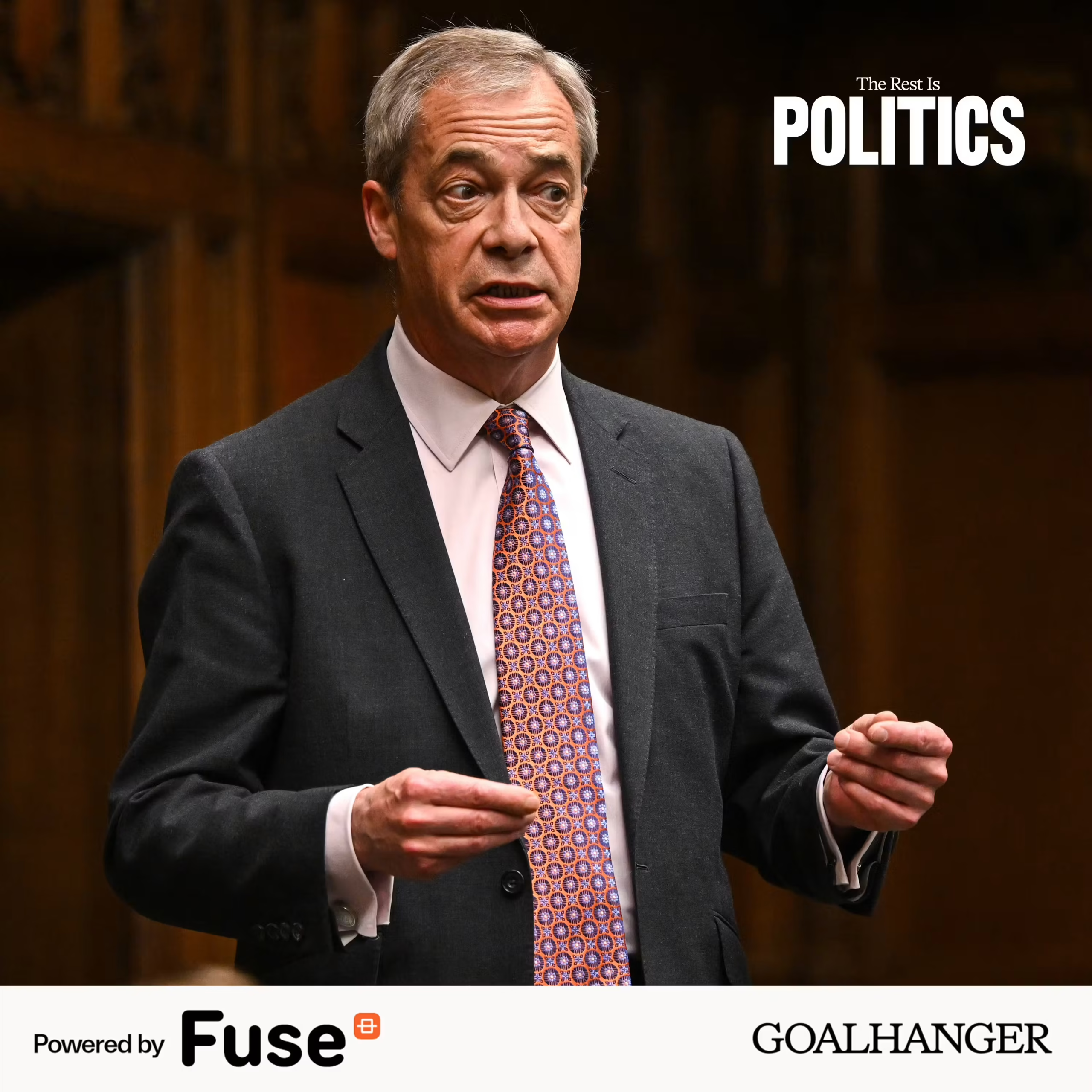
569. Farage’s Foreign Funding Scandal and Germany’s Far-Right Breakthrough
As the Alternative for Germany party secured its best ever election result in Saxony-Anhalt, is the country about to get its first far-right state premier since the Nazi Party, and will Chancellor Fri... Continue9 September 2026
Posted by Alastair Campbell

9 September 2026
Posted by Alastair Campbell

205. Anthony Scaramucci: Why America Keeps Making the Same Mistakes
Why does Anthony Scaramucci think Osama bin Laden is “winning”, and what has the War on Terror really cost America? From letting China into the WTO to bailing out the banks in 2008, how did Americ... Continue7 September 2026
Posted by Alastair Campbell

Becoming Burnham: The Manchester Arena Call, Westminster Plotting, and Keir vs Andy
To hear the full episode, and the whole series, sign up at therestispolitics.com How did Andy Burnham learn about the Manchester Arena bombing? Would he still have tried to become PM had Keir Starmer... Continue3 September 2026
Posted by Alastair Campbell
568. MAGA’s Plan to Make Britain Look Broken and Iceland’s ‘Brexit’ Moment
Did Iceland's rejection of EU membership talks repeat the same mistakes as Britain's Remain campaign, and does it hand a dangerous propaganda win to Farage, Putin, and the wider anti-European right? A... Continue3 September 2026
Posted by Alastair Campbell


Nice read. It makes you wonder – especially the bit about him being ridiculed at the time – whether for example those who are now warning of climate change disaster are being listened to too late. Or whether those calling for legalisation of drugs are ahead of their time. It is always interesting to see the difference between eventually accepted conventional wisdom, and the pain of those who are trying to get it accepted in the first place
I usually come on here for a good old fashioned dose of Tory bashing, of which there is not nearly enough going on may I say, so thanks for that. But I like it when you have the odd break from politics and induldge in a bit of musing. The Prof sounds quite a spirit
Duly inspired, I will do my long run of the week … in training for first marathon
Hi Alistair
Thanks for telling us about Professor Morris
A true champion of the people especially to speak out on health inequalities & It makes me emotional that certain illnesses only occur in the less well off in society. This is why Labour must win the battle to eradicate Poverty.
Alastair my dear……..you make no mention of your current excercise programme or health regime?????????????…………..Mine consists of a minimum of 4 racketball games a week at an age no longer disclosed……..I think it’s really time we all got off our backsides.
Remember, when you appear before Chiolcot – you believed everything that you were told by the intelligence services.