
Politicians and mental health … not a happy scene
23 November 2026


Post
31 January 2013

6 minute(s) read
Recent Posts
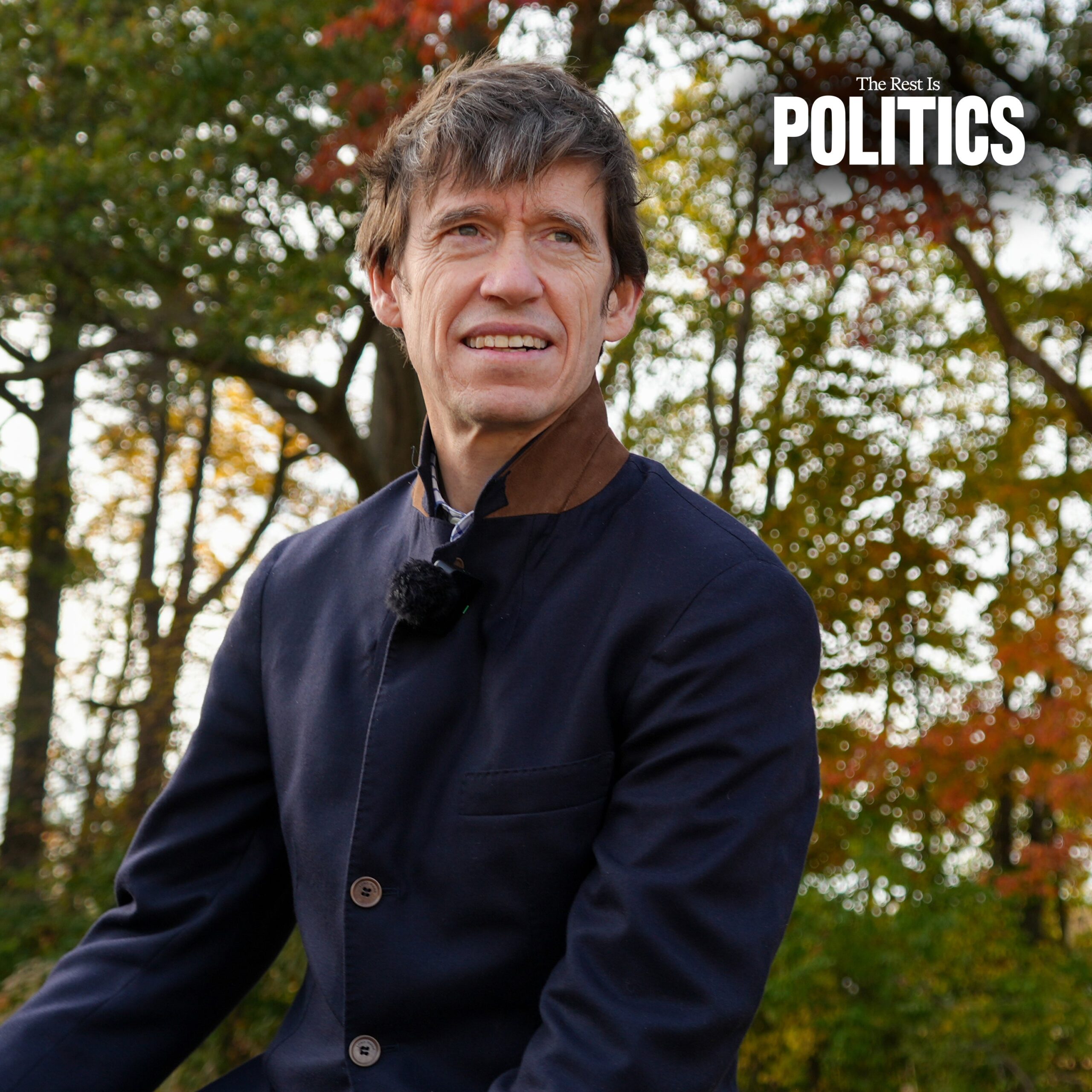
Inside JD Vance Country With Rory Stewart
This week, Rory sits down to re-visit his discussion on JD Vance, following his Midterm trip through the factory towns of Ohio to the Appalachian Hills, where JD Vance was raised. He reflects on how ... Continue27 November 2026
Posted by Alastair Campbell
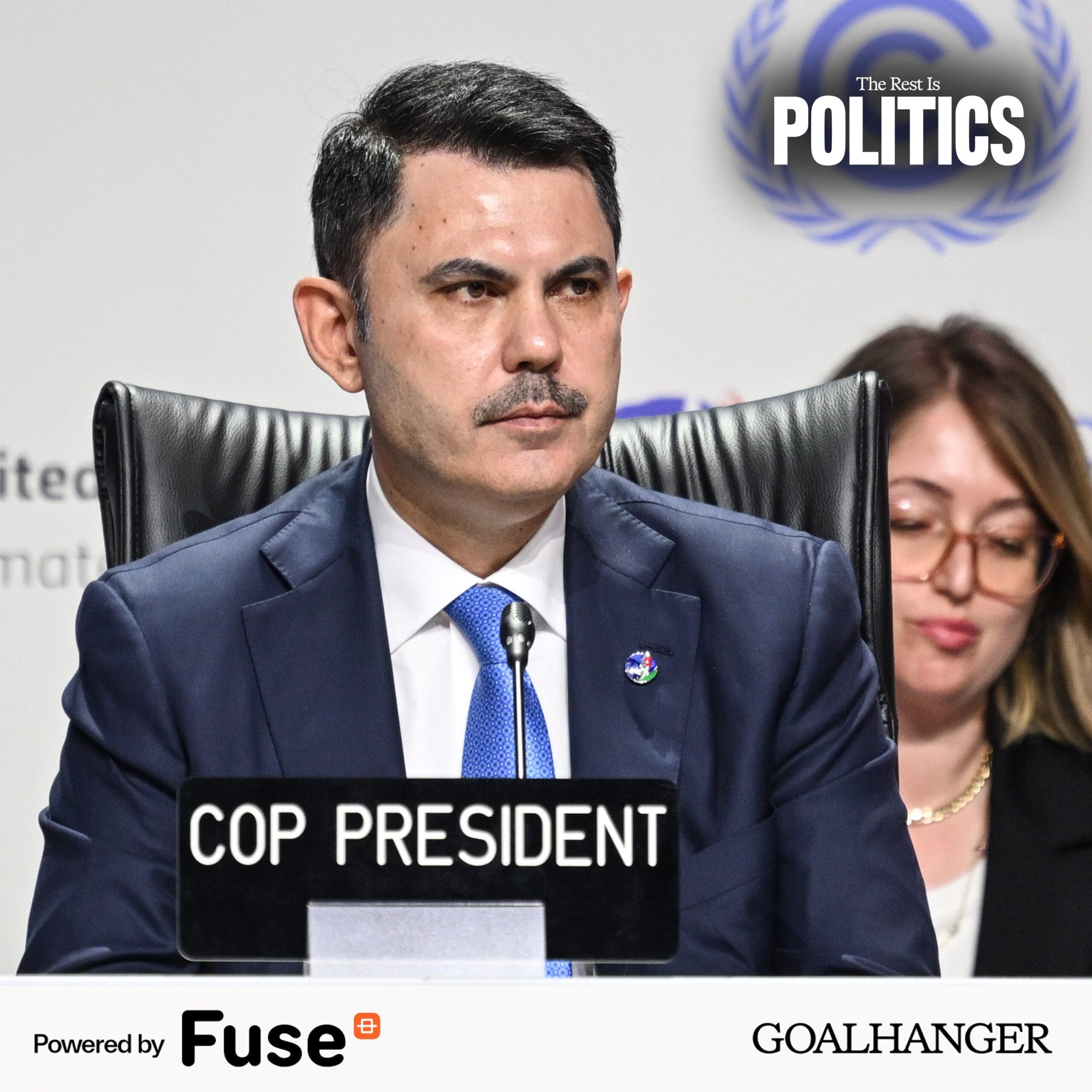
592. The COP31 Farce, Social Media vs. Centrism, and the Return of Jensen Huang
With COP31 ending without a major deal, does this signal a wider crisis for the UN and its consensus-based approach to international diplomacy? How has social media transformed the way we consume news... Continue26 November 2026
Posted by Alastair Campbell

Alastair Campbell’s diary: The Farage virus has spread to Australia – here’s how to beat it
Like Reform’s leader, Pauline Hanson knows how to stoke up public anger. But as with Farage, money, incompetence, nastiness and Trump are her big weaknesses... Continue
25 November 2026
Posted by Alastair Campbell

591. Burnham’s Brexit Rethink and the Return of the Rwanda Scheme
How can Andy Burnham sell a vision of closer ties with the EU to the British public when Europe remains such a contentious issue? Why are five EU countries planning to send asylum seekers to Rwanda, d... Continue25 November 2026
Posted by Alastair Campbell
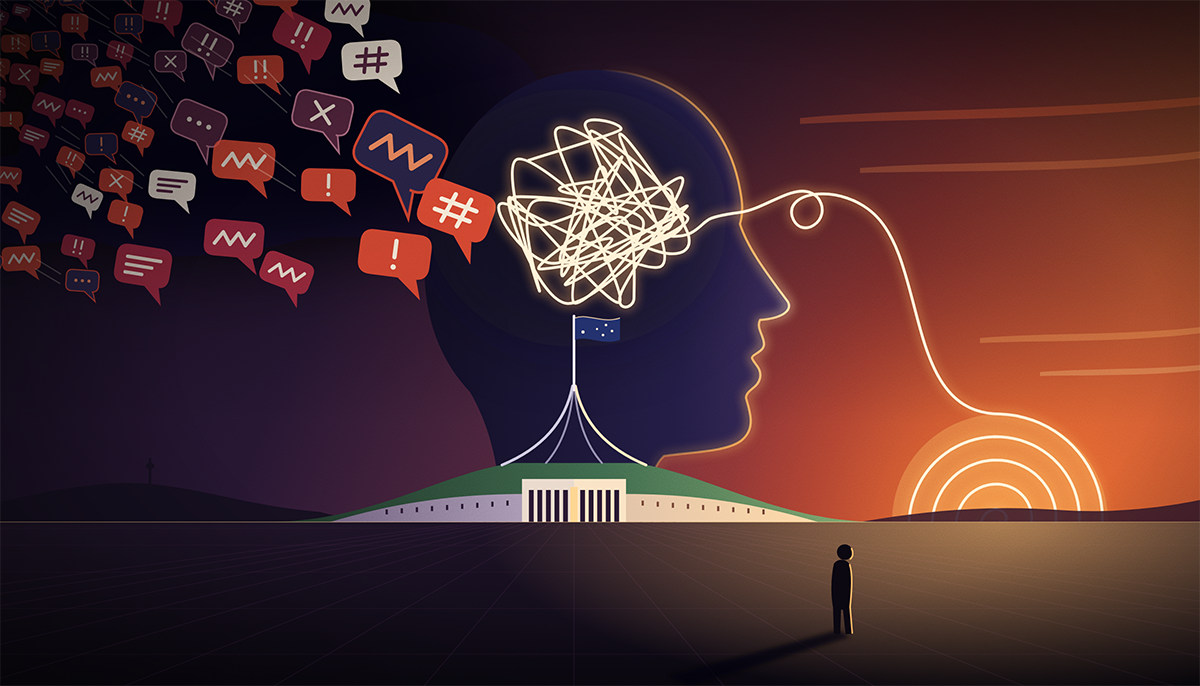
Politicians and mental health … not a happy scene
Yesterday in Canberra, I made a speech in the Australian Parliament to MPs and staff about politics and mental health. The event was to launch a report, one of the biggest of its kind, into the menta... Continue23 November 2026
Posted by Alastair Campbell

216. Why Superpowers Can’t End Wars Alone and Why the World Ignored Myanmar
With 65 conflicts raging, 4,000 nuclear warheads on high alert and Donald Trump questioning the whereabouts of the UN Secretary-General, why has the UN lost its ability to broker peace? Why did the wo... Continue23 November 2026
Posted by Alastair Campbell

What the West Got Wrong About Afghanistan and Syria
What are the risks of foreign powers and policymakers trying to build nations and remake societies they don’t fully understand, like the US did in Afghanistan after 9/11? How do the Taliban and ISIS... Continue20 November 2026
Posted by Alastair Campbell

590. Are American Tech Billionaires Beyond All Control?
Despite a growing public backlash against AI and data centres, are the American tech bros still beyond control? What makes a political figure resonate with voters, and in the age of social media, do t... Continue19 November 2026
Posted by Alastair Campbell



Think the main danger of good mental health is if one goes through an elongated period of being misunderstood, nurture like, especially obviously what happens in the Freud supposition on the streets of “tell me about your childhood?”.
But even if survived relatively unscathed, adult experiences can amplify how close you actually are to that line – the most common these days when soldiers return from some work, and feel as if the environment that they left is now alien to them, with people about in a high percentage of being jolly, as before, while they have to try and fit in with their experiences going around their mind.
Uncounselled, this just gets magnified through generations, in various ways, until it snaps, if it hasn’t already seriously.
Hope I am making sense here.
Where’s everyone Ali? Haven’t seen This Week from last night with yourself – have it planned to watch it on beeb iplayer.
But anyway, what I said previous, humour helps, and when I watch this vid from th 1980’s, it does help to lift the spirits. But yes, when the body is drained totally in some way that is incomprehensable, it is baffling. There is a thought that evening primrose oil and tinned red/sockeye wild alaskan salmon is good at lubricating the synapses, since essential fatty acids are full with it, and has been confirmed that it is connected to how the mind works, and in some, the enzymes of such are different in some people. It is something called ancestral evolved diets or something.
Anyway,
http://www.youtube.com/watch?v=V83JR2IoI8k
Shit biscuits! Clicked enter before edit on previous, again. So I apologise for the spells not put right, and the lack of paragraphs.
Anyway part two,
http://www.youtube.com/watch?v=V83JR2IoI8k
And no doubt you remember Dr. Magnus Pike from the telly then, Alastair.
I thought this was a very important piece if it is right for their to be legally required contingency plans for fire and other foreseeable harmful incidents then logically the same should apply to mental health issues in a careing society
Thank goodness!
Judging by reponse to this article they now have all the mentaly perturbed people under wraps in a warm blannket basking under neon lamps where they can’t respond to articles like this.
Except Etch. He must of used his forgred ”get out free card”
again.
Des Currie
I agree that the NHS needs to be at the forefront of the Time to Change campaign. In the hospitals that I work in there is still a definite stigma surrounding mental health issues. From managers down to colleagues, I’d say 70% of people believe that depression is a sign of weakness and can be fixed by “getting a grip” and “cheering up” and that’s only if they don’t think you’re skiving. Occupational Health departments are very good but they don’t have enough staff to help those of us who are struggling. A large proportion of us struggle along for far too long before we seek help. By the time we reach crisis point it can be too late. Therefore the idea that a plan could be in place beforehand is a good one, but with the cuts to services I’m pessimistic that there will be any NHS to support people by 2015. I desperately don’t want good mental health to become some kind of privilege.
Some call it the irish seacoast problem, mainly affecting celts, when ancestors ate a high percentage of fish, with omega-3 fats, also with borage salad. which is high in the omega-6 gamma linolenic fatty acid.
Something like that anyway, ancestral evolved. It is is said why celts/native north americans/innuits/aborigines suffer when they follow a modern mid-european grain only based diet, and tend to fall into the alcohol trap, since alcohol promotes certain fatty acid enzymes that are low active in certain peoples as above.
It’s all science.
If only the ‘Broken Mind’ can be visible to an ‘Ordinary Eye’ the community would be emphathetically moving forward to safe and vote for the vulnerable who are the hardest hit and support and bridge the partnerships with not only the NHS but the Service Providers, Front Line Help, Carers for their patience, compassion and understanding front roles. Its seems with so many changes happening the vulnerable will be left with only a few fragile strings to cling on to for their care and survival…Anyway its too late, its a shame physcial disabilities are noticeable and not the broken mind…
Say no more what is going on in LA and the outskrits of it, in the snow covered Californian montains at the moment.
Ex-serviceman victimised by his returning jealous “fellows” society? And look what those such cops did – shot up a pickup truck with two older women delivering morning papers, like wild animals.
So for me, he seems to have some sort of point.
linky,
http://www.dailynews.com/ci_22557608
http://www.dailynews.com/
Bizarre that Skyfall got an award of Top Brit movie award ahead of Les Miserables, when Les Emms was in the catagorie for best international film of all, unlike Skyfall?
Cameron’s tory funny handshake intervention?
But Danny Craig on his take on the LA movie scene, from a few years ago, as an english born actor there, experiencing such things, there – a right mad microcosmic world,
http://www.youtube.com/watch?v=vlDXoAVar48
Good to see Quentin T getting something from us for D’Jambo, or however you spell it. : )
Alistair I share the vision but with little optimism. The crisis led organisations are phenomenal and I have used Maytree. But they won’t get expanded or funded until mainstream MH services are willing to accept that the expertise does not always lie with them, that alternative models of crisis care are valid and that the individual living with serious MH problems is the real expert on what they need. I submitted to Mind’s Crisis Care enquiry and attended parliament to present to MP’s and Peers.
We live in the same locality and apparently within a 5 star CQC service.
However try accessing crisis care at night and you will find that when you telephone the crisis team they wont have time to talk and simply tell you to go to A&E. They also will not talk to someone not known to them so if that is your first port of call when you are suicidal forget it.It;s a way of rationing services to seriously vulnerable people.
Compare that with the Samaritans who manage to support people with very severe complex issues – not just depression -and will talk for an hour and in daytime see people face to face. Statutory services seem to have very little knowledge of non statutory services in their area and an unwillingness to find out. Possibly because the voluntary services are seen as competitors.
Add in to the mix that those with severe MH problems often can’t access therapy in or out of statutory services because they are considered too unwell, too at risk and lacking internal resources and you get a picture of why in our borough the suicide rate is consistently the highest in the country.
MH services are about 20 years behind mainstream medicine in accepting the concepts of autonomy and choice. There is little dignity involved and very little real collaboration with patients/service users, An obsession with diagnostic criteria that clusters people as currencies to fund or cut services is a tick box response that stops ‘professionals’ hearing and responsing humanely and appropriately to someone in crisis.
Until they grasp these concepts, accept the role of the critical friend and are better regulated nothing will change.
Alistair I share the vision but with little optimism. The crisis led organisations are phenomenal and I have used Maytree. But they won’t get expanded or funded until mainstream MH services are willing to accept that the expertise does not always lie with them, that alternative models of crisis care are valid and that the individual living with serious MH problems is the real expert on what they need. I submitted to Mind’s Crisis Care enquiry and attended parliament to present to MP’s and Peers.
We live in the same locality and apparently within a 5 star CQC service.
However try accessing crisis care at night and you will find that when you telephone the crisis team they wont have time to talk and simply tell you to go to A&E. They also will not talk to someone not known to them so if that is your first port of call when you are suicidal forget it.It;s a way of rationing services to seriously vulnerable people.
Compare that with the Samaritans who manage to support people with very severe complex issues – not just depression -and will talk for an hour and in daytime see people face to face. Statutory services seem to have very little knowledge of non statutory services in their area and an unwillingness to find out. Possibly because the voluntary services are seen as competitors.
Add in to the mix that those with severe MH problems often can’t access therapy in or out of statutory services because they are considered too unwell, too at risk and lacking internal resources and you get a picture of why in our borough the suicide rate is consistently the highest in the country.
MH services are about 20 years behind mainstream medicine in accepting the concepts of autonomy and choice. There is little dignity involved and very little collaboration with patients/service users, Until they grasp these concepts, accept the role of the critical friend and are better regulated nothing will change.