

Europe needs to get real on defence; Britain needs to get real on Europe
13 February 2025


Post
4 April 2009

3 minute(s) read
Recent Posts

How Will AI Change The World? (Ep 1)
How will AI reshape the way we live, earn, and design our lifestyles over the next decade? With investment in AI increasing a billion fold the last 12 years – is this a gold mine or a class... Continue12 December 2025
Posted by Alastair Campbell
478. Farage’s Crypto Megadonor and the Graduate Jobs Disaster (Question Time)
Why has a crypto billionaire living in Thailand donated £9 million to Nigel Farage's party, Reform UK? With a graduate jobs crisis in full swing and rising debt, what are the prospects for y... Continue11 December 2025
Posted by Alastair Campbell
477. How Trump’s Security Strategy Destroys The Old World Order
Has Trump's 2025 National Security Strategy officially upended 80 years of American foreign policy? Why does it warn of Europe's "civilisational erasure" while downplaying threats from its tr... Continue10 December 2025
Posted by Alastair Campbell
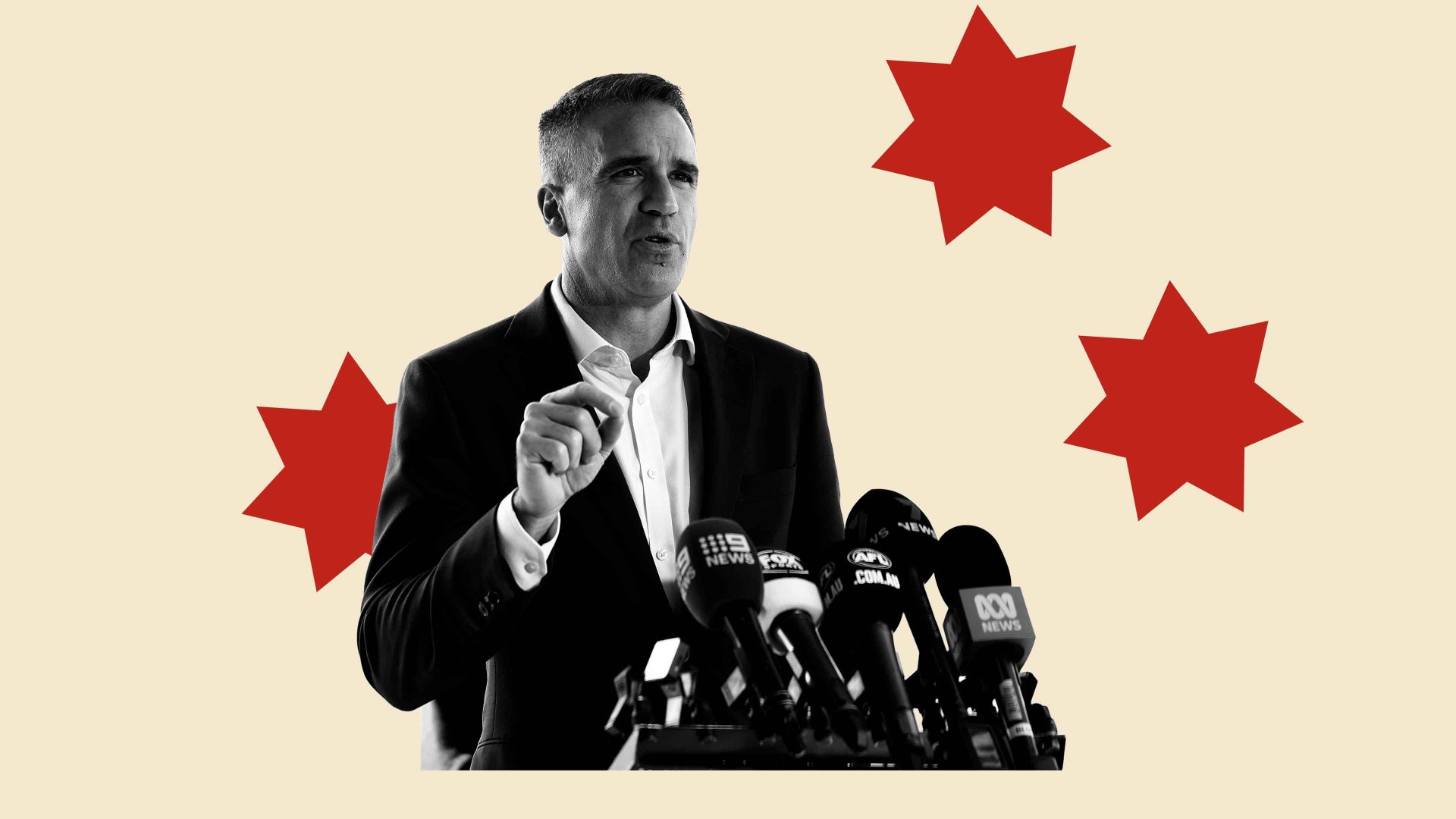
Alastair Campbell’s diary: Our politicians should be more like Peter Malinauskas
On political funding and social media, Malinauskas has shown real leadership. Our government should take note... Continue
10 December 2025

165. Anna Wintour: Culture, Influence, and the Power of Decisive Leadership
Why should everybody get fired at least once? As the former Editor-in-chief of American Vogue, how does Anna Wintour use fashion as a cultural and economic force? Why is Anna’s leadership s... Continue8 December 2025
Posted by Alastair Campbell
4 December 2025
Posted by Alastair Campbell
475. The Budget Backlash – and Trump’s Plan to Profit from Peace in Ukraine
Is the media too negative about Reeves and Starmer, or are they simply out of ideas? What has the relentless Budget turmoil and fallout done to already low levels of trust in the Government? ... Continue3 December 2025
Posted by Alastair Campbell
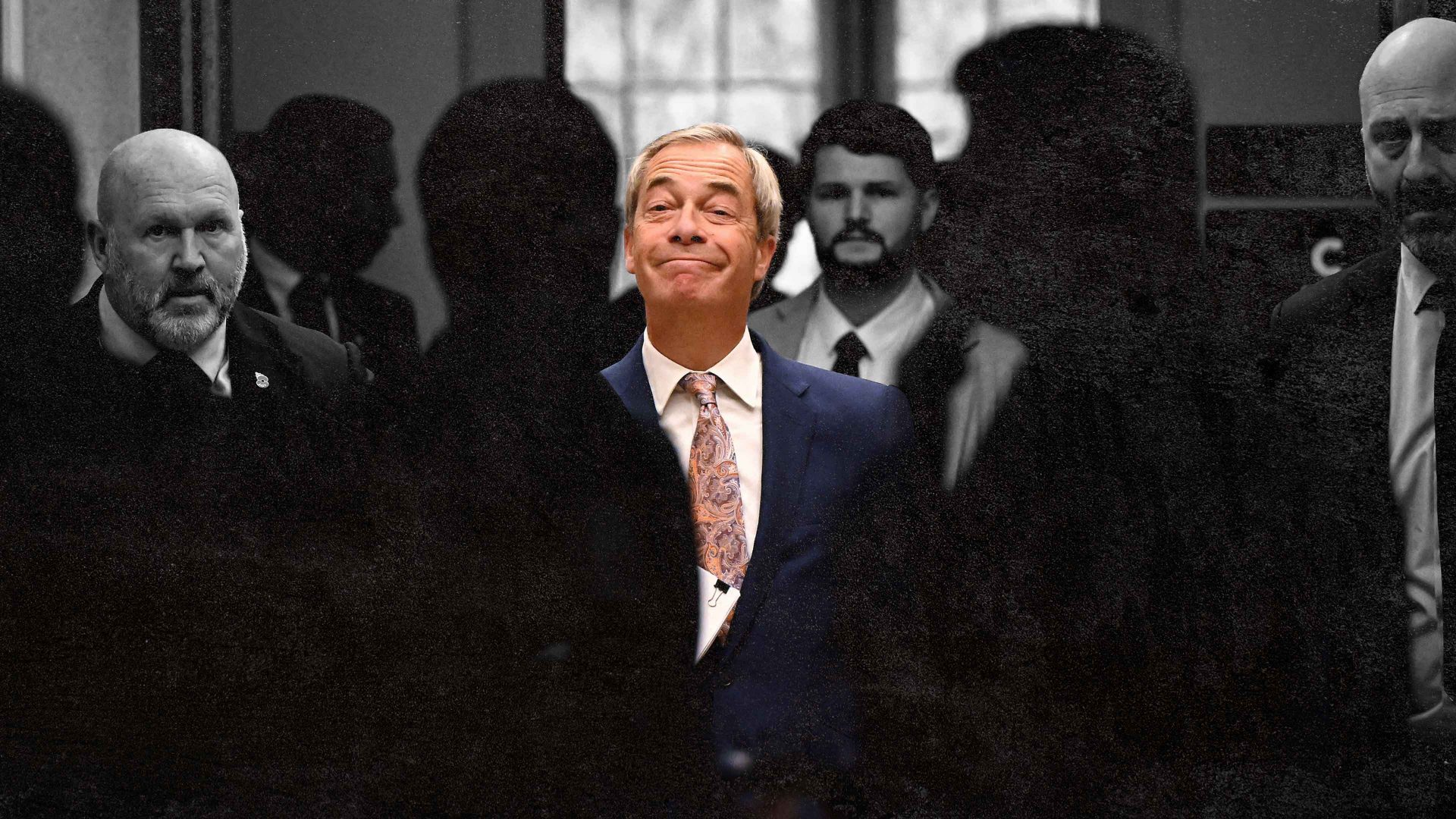
Alastair Campbell’s diary: Where is Reform’s money coming from?
Real journalists would want to know whether any of the party's finances came in rouble form... Continue
3 December 2025


I hope it was not just carbon emissions but also use of green space in the urban environment. Bristol certainly deserves recognition, and I hope they have another go next year
I’d like to know which other UK cities applied. One of the things the government needs to do more on is to highlight the importance of our regional cities, many of which have been transformed in the past few years. I travel around a lot in my work as a commercial lawyer and whether it is Leeds, Manchester, Newcastle, Sheffield, Birminghsm, Bristol, the big cities are different places to what they were under the Tories. More greening yes. But also more understanding that they have improved hugely already.
Good idea but take further. The UK would never qualify for the Euros! We have the largest wind reserves in Europe but we don’t take advantage of it. Liverpool could benefit from off shore wind farms and I know Peel Power have looked at using the tidal flow of the Mersey to generate power but everything seems to get bogged down in committee and bureacracy.
The largest wind farm in England is just past Bury, but it took ages to get into production, the turbines had to brought in from Germany as we don’t build them. In a recession GB should a UK production facility set up, just like FDR would have done. We have the brains, the skills, the engineers, all we need is the will. Then tackle the red tape and endless meetings by seeting a 4 month guillotine on the planning process.
You never know GB could turn into Cappello and get us into the World Cup finals!
The air in Cardiff will certainly not be clean tomorrow for the visit of our most hated rivals. On a serious note, the fact that you found this story as a footnote and it wasn’t a story of note in this country explains why we still have this huge problem. I’m afraid that this issue is still not a high priority for a lot of people. Politicians, though getting better regarding green issues are still way short of the mark.
Another point to make. Just think how well Bristol would do if the Severn Barrage became a reality instead of a focus group meeting!
I’m often surprised how many people reduce the environmental issues down to trivia and then rail against it – take the reaction to “ugly” wind farms, for example.
Has anyone ever spotted an *attractive* pylon?
It’s a pity that you don’t mention the “how many people have you got killed by publishing lies” table. You would be near the top over the last sixty years.
Isn’t it time that your mendacious personality was removed from the public eye?
If the criteria was set according to how effciently we generated the energy consumed in our cities we’d have no hope compared with, say Germany, which makes far batter use of its wind resource (which is not as great as ours incidentally).
Not saying this shouldn’t happen, just that it’d uncover some inconvenient truths. How could the Government really encourage towns to be greener and also build new coal-fire power stations? It’s clear that Britain is not doing enough to harness its green potential.
In the 80’s, when you were at the Mirror, acid rain wasn’t the only ‘big issue’. Or maybe it was in the press. But Friends of the Earth and Greenpeace were telling us about the ‘Greenhouse Effect’ – global warming. They have been saying it for well over 20 years. We weren’t listening then. Perhaps if we had the outlook now would be less dire.
So, carbon league tables, ok…but can we have something a bit more radical than that too? How about this.
Obama has pledged to reduce his nuclear capability by a third. So has Russia. In this spirit let’s forget the decision to renew trident and use that money to invest in a much bigger renewables programme and kickstart a new green economy. Now THAT would be dramatic action.
The G20 Communique was yet another missed opportunity to demonstrate any real commitment to take the ‘dramatic action’ on climate change you acknowledge is needed. It got a cursory mention that meant very little. We don’t have many opportunities left before the ‘tipping point’ is reached. By all means reward towns that do well, but lets have some government investment on a scale that reflects the true magnitude of the problem too.